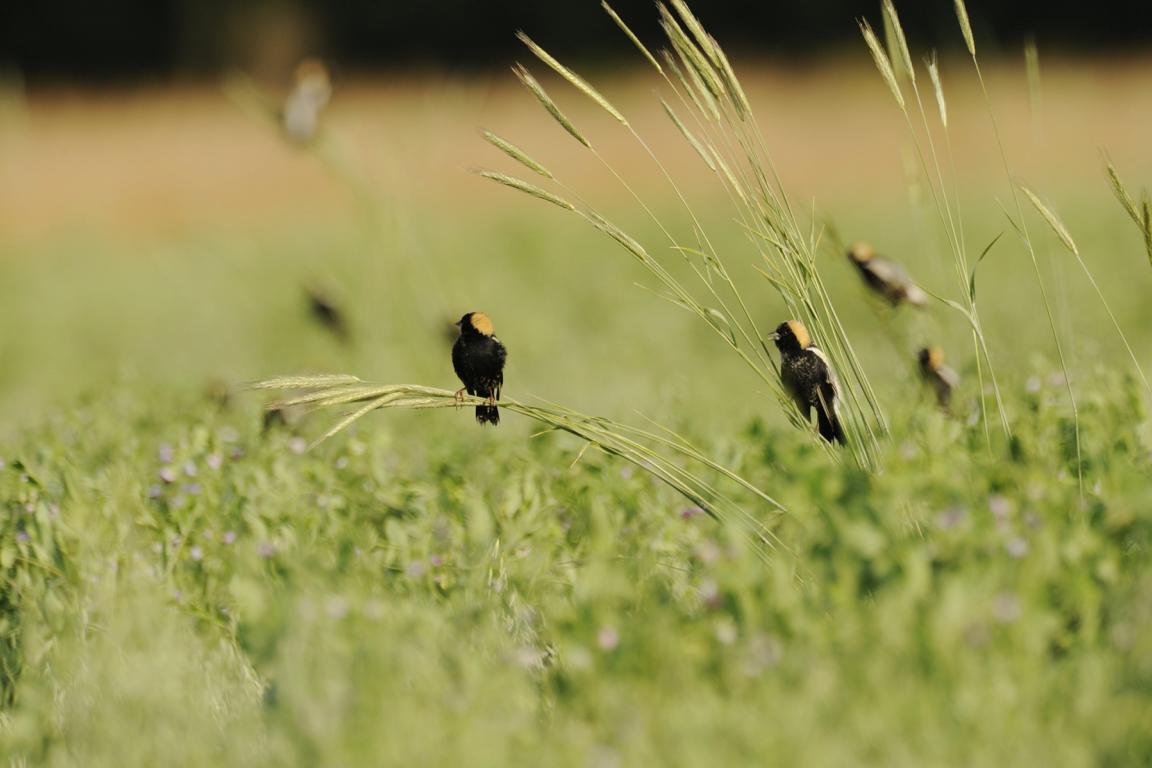
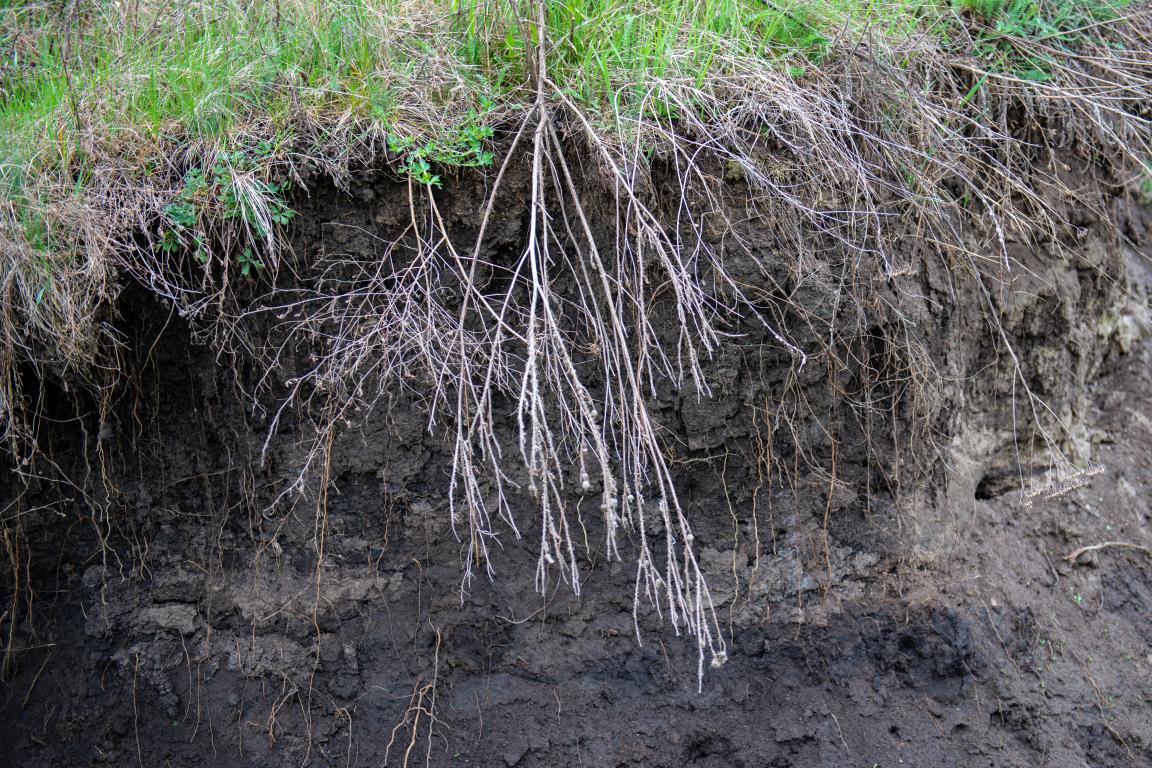
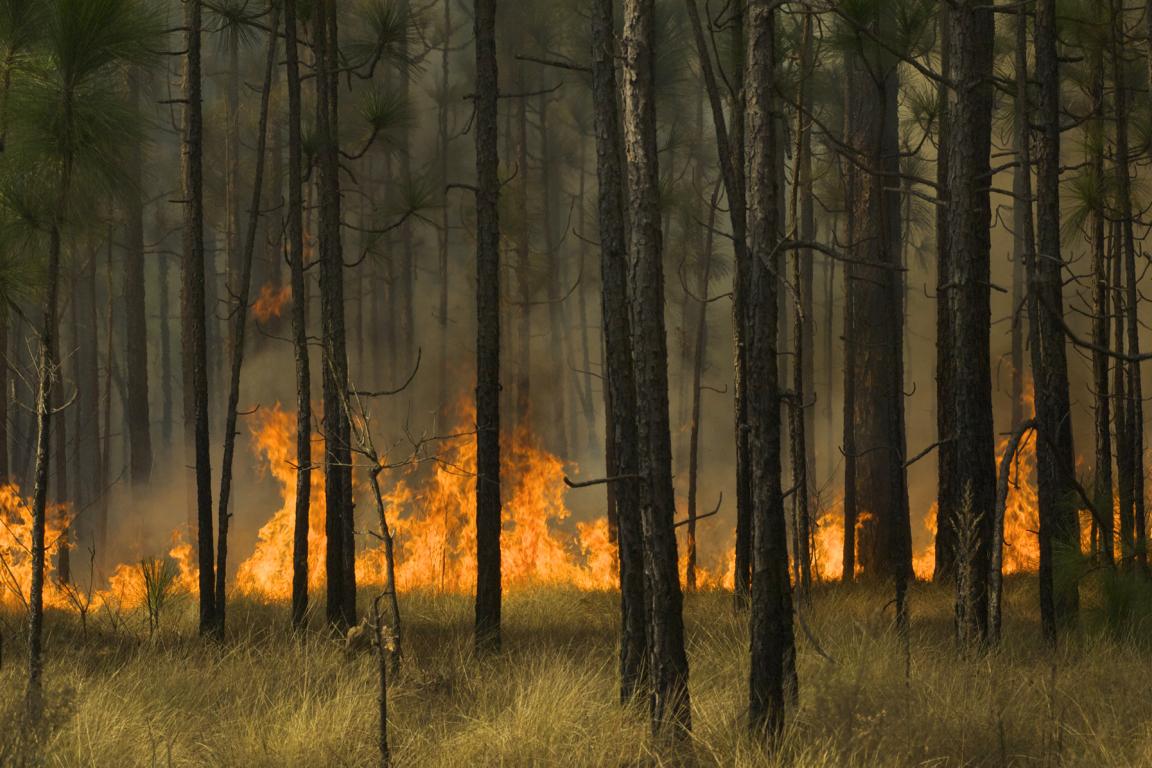
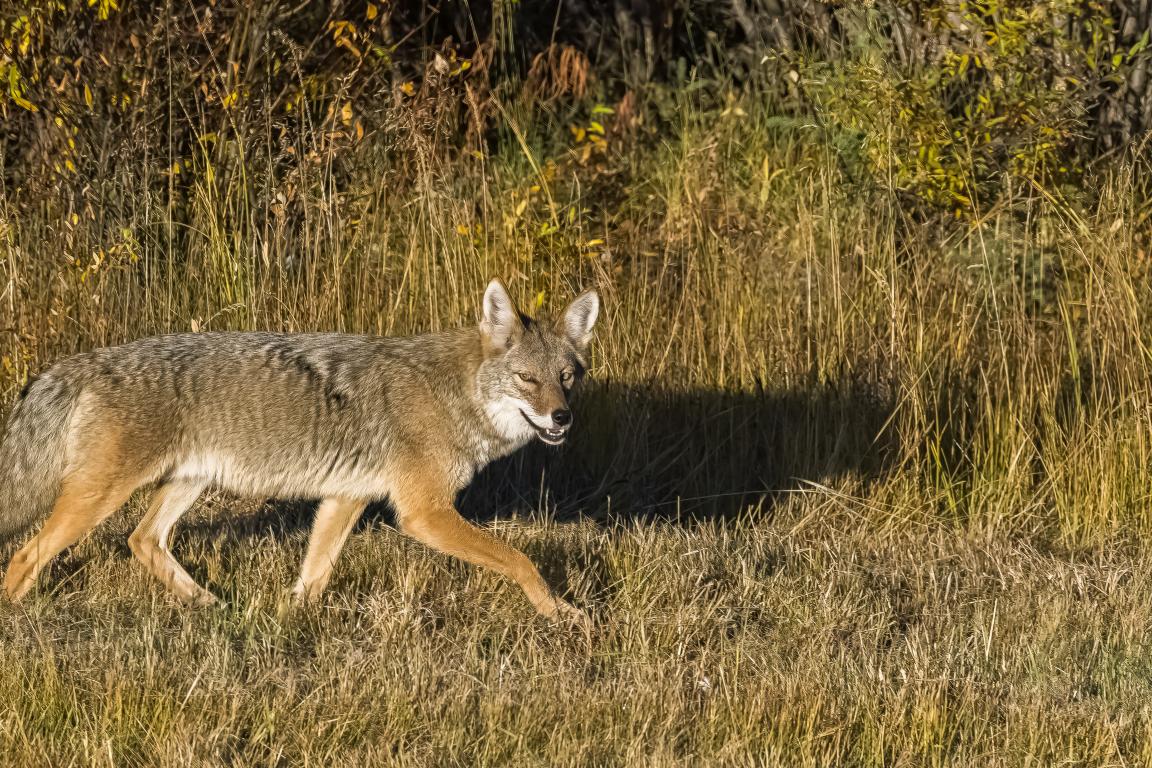
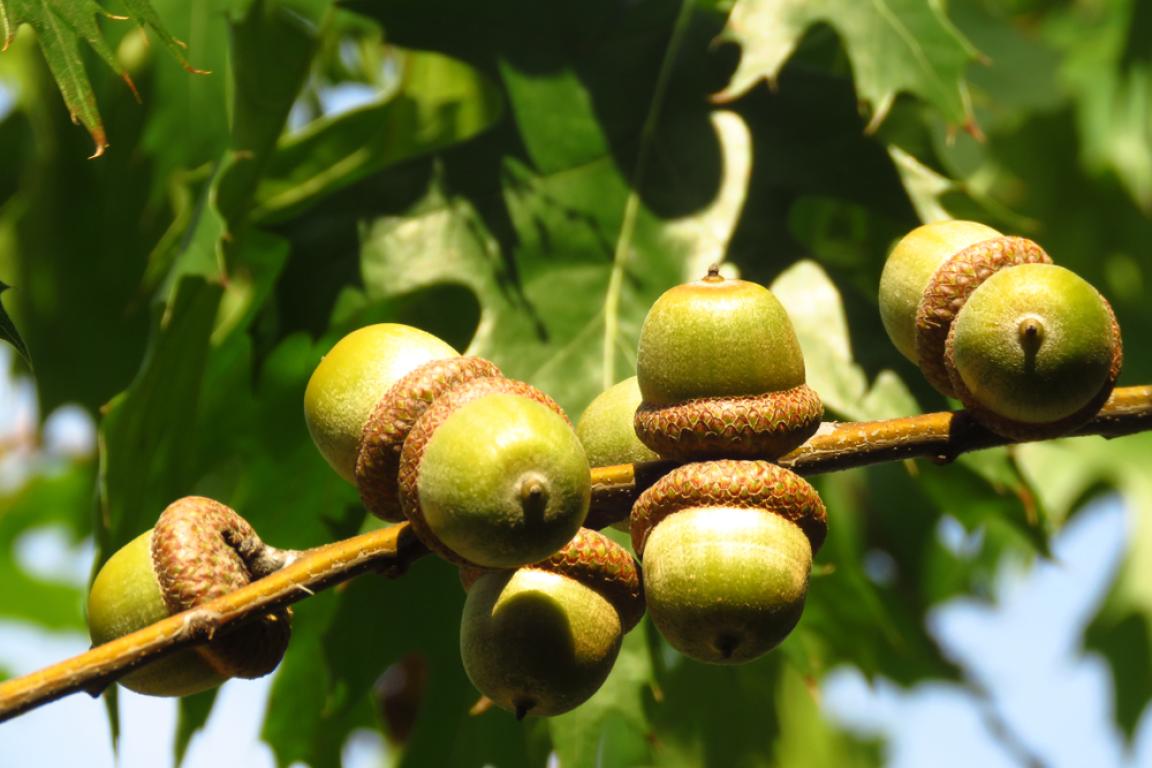
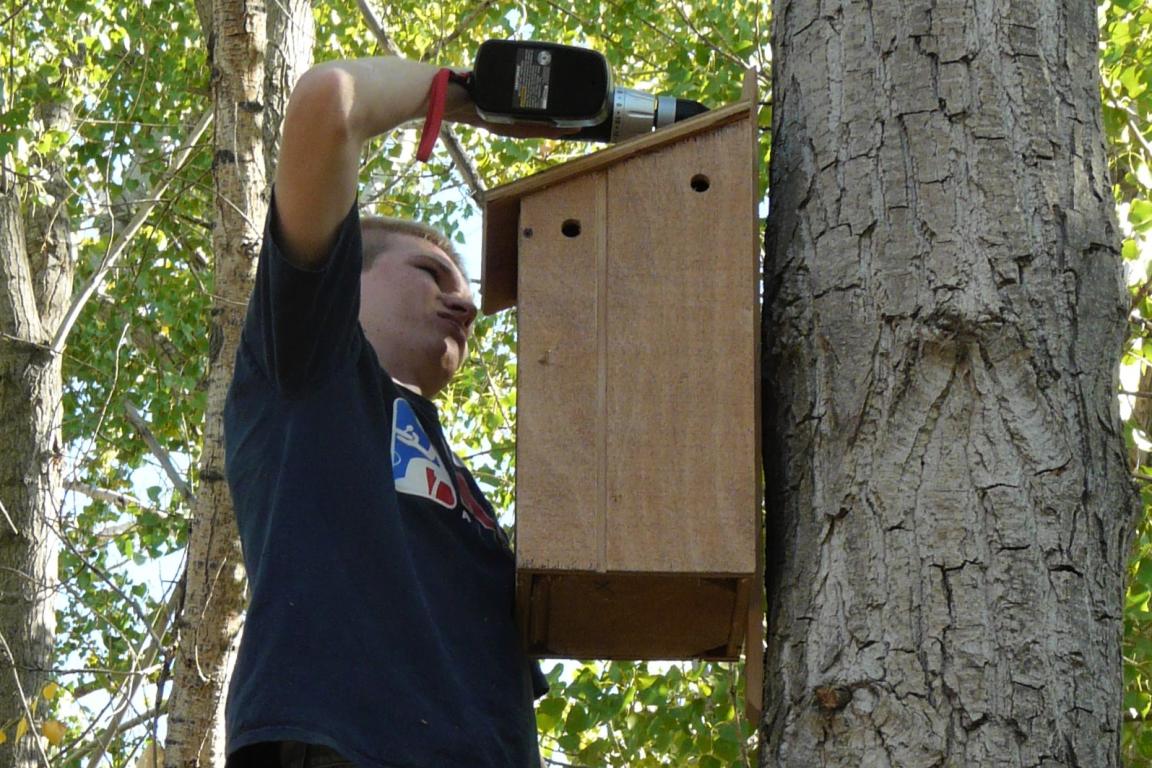
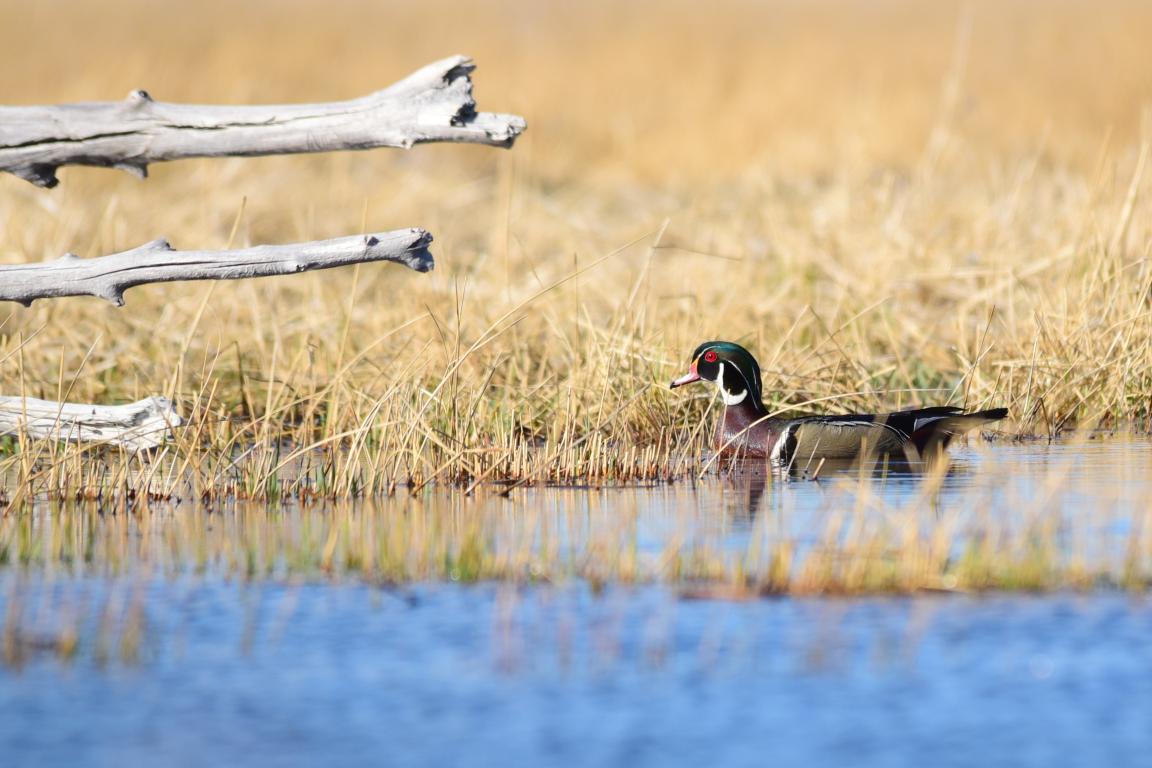
Wildlife Reserve Land Management Activities Census of Animal Population(s) Participate in an organized project which compiles data from periodic surveys and inventories to determine the presence, number, composition, biological condition, or human use of wildlife resources. This activity requires both collecting and submitting appropriate data according to a qualifying project’s protocol. Erosion Control Implement and maintain practices to prevent, reduce, or minimize soil erosion and sedimentation. Stabilization practices may be prescribed along streambanks, in stream channel or in upland areas to address existing erosion concerns. Practices implemented for erosion control shall not be implemented in a fashion to harm wildlife or promote non-native invasive plant species. The landowner is responsible for obtaining any permits which may be required to implement erosion control practices. Habitat Control Conduct and maintain management of upland, wetland, riparian, or aquatic vegetation or physical aquatic habitat using practices to establish, restore, enhance, or maintain one or more of the natural community type(s) identified in the NC Wildlife Action Plan. Areas managed to maintain lawns, livestock pastures, golf courses, agricultural production, or solar panel arrays do not meet the intent of this activity and will not be included in the WHCA. Commercial harvests in forest stands may qualify as “habitat control” when conducted as specified in the WHCA to directly enhance wildlife habitat. Predator Control Conduct and maintain a comprehensive approach of reducing the abundance of a species or suite of species that preys on any life stage of wildlife species for which the land is managed. Predator control includes removal of non-native invasive animal species, such as feral swine, to manage or protect wildlife or wildlife habitats. Supplemental Food Provide and maintain annual or perennial noninvasive plantings that provide a direct or indirect source of food or nutrition for wildlife resources. Herbaceous “food plots”, native flowering plants, and mast (fruit and nut) producing trees and shrubs meet the intent of this activity. Supplemental Shelter Provide and maintain natural or artificial structures that are created or installed to provide shelter from the weather, nesting sites, or escape cover from predators. Supplemental shelter may include the addition of natural or artificial structures into aquatic habitats. Supplemental Water Provide and maintain manmade water features or sources that are created or installed for the benefit of wildlife resources. On This Page Jump Links On