
Man-made water features on private lands can play a critical role in enhancing the ecosystem. Perennial ponds, ephemeral pools, and waterfowl impoundments each offer unique opportunities to improve habitat for terrestrial, semi-aquatic, and aquatic species of animals. Careful management of these waterbodies can help to meet a landowner’s objectives for their property, whether that be increasing breeding habitat for salamanders or improving opportunities for recreational fishing. The following items will be considered when developing a Wildlife Habitat Conservation Agreement (WHCA) which includes Supplemental Water as a qualifying management activity for the Wildlife Reserve Land (WRL) criterion.
Supplemental Water features must be man-made. Naturally occurring creeks, streams, rivers, and impounded wetland features such as beaver ponds do not meet the definition of Supplemental Water under WRL; however, these features may fit into the Habitat Control activity or qualify under the Priority Habitat criterion of the Wildlife Conservation Land Program.
Installation of ponds, ephemeral pools, and waterfowl impoundments may require permits from federal or state agencies. It is recommended that waterbodies yet to be installed are not included in a WHCA unless permits have already been obtained. Professional guidance should be sought prior to excavation.
Supplemental Water Features
Ephemeral pools are typically small pools or ponds which are dry during a portion of the year. These seasonal waterbodies are critical breeding sites for amphibians such as salamanders, toads, and frogs. Since these pools go dry, or nearly dry on a regular basis, fish cannot survive here. With no fish in the pool there is substantially less predation on amphibian eggs and larva. Ephemeral pools can be excavated by hand or with mechanized equipment. Depending on soil types, lining the pool with clay or a plastic liner may be required for them to hold water during the winter and early spring. The timing and length of inundation by water will impact which species of amphibians utilize the pool. Water levels and period of inundation should be reported on the Supplemental Water effort log. Animal use of the pools and observation of invasive species should also be noted in the log.
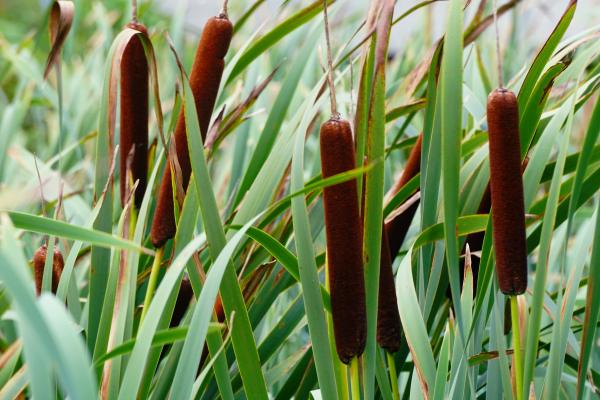
Perennial ponds are commonly utilized for fishing and other aquatic recreation, and the ecosystems contained within a pond include complex relationships, such as predator and prey as well as biotic and non-biotic features. The ecological benefits of these ponds do not stop at the water’s edge as many species of terrestrial and avian wildlife frequent these aquatic features. To enhance the wildlife benefit of ponds, native herbaceous and shrubby vegetation should be retained or established around the banks when possible. This vegetation provides cover for insects and other wildlife. Additionally, retaining submerged natural woody debris and/or adding artificial “fish structures” to a pond provides additional cover and increases structural diversity. At a minimum, management of a pond requires annual inspections and control of woody vegetation on the dam for structural integrity, documenting recreational use, and identification of non-native invasive aquatic plants.
Waterfowl impoundments are often thought of as a food source to improve waterfowl hunting opportunities. While this is the case with proper management of vegetation and water level an impoundment may meet the definition of either Supplemental Water or Supplemental Food under WRL. If building a new impoundment, deeper pools should be incorporated that will hold water throughout the spring but dry up later in the summer. When managing an existing impoundment manipulate the water level to begin drawdown in late February and ensure a portion of the area remains inundated with water until early June. This will allow locations for amphibian egg masses to be laid and time for larval development to occur. Fallow or volunteer herbaceous vegetation should be allowed to persist in these pools, with woody vegetation controlled using mechanical methods or by targeted application of herbicides which are labeled for aquatic use. Herbicide applications should only occur late in the drawdown period to limit possible impacts on amphibians. North Carolina Wildlife Resources Commission staff can offer detailed recommendations for vegetation management and drawdown schedule of a waterfowl impoundment.