
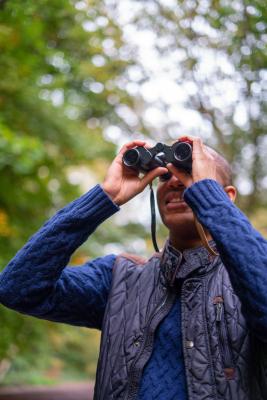
Knowing which animal species inhabit a tract of land is critical for developing appropriate management prescriptions and evaluating the impacts of habitat management. It is also vital for understanding animal abundance and how they utilize different portions of the property. In addition to animals, there is a great deal of benefit in documenting details about the plant life that can be found in the area. While many private landowners keep records about the wildlife and plants they observe on their property, this information has limited benefit when stored in a desk drawer, three ring binder, file cabinet, or computer folder. To provide the most benefit, this data must find its way to researchers, scientists, and wildlife managers who use large datasets to evaluate what is happening with wildlife populations across the landscape. The Census of Populations activity is intended to be an avenue for the biological data collected on properties enrolled in the Wildlife Conservation Land Program (WCLP) to be included in these larger datasets and made available for use by researchers and biologists.
Private landowners collecting data on their personal properties is often called “Citizen Science.” Each citizen science project has a specific organization that is the primary point of contact. This organization houses the data that is collected and disseminates it for scientist to utilize. Each project has specific protocol or methodology to ensure that all data is collected in a uniform fashion. It is imperative that landowners know and understand the protocol requirements for any project they agree to include in their Wildlife Habitat Conservation Agreement (WHCA). They should not select projects which are above their skill level or not compatible with time constraints or equipment limitations. Participation in the same project for a 5-year period is required as part of the WHCA. Some projects have specific time periods when data is collected. Failure to collect data during this time period each year can be difficult to make up and may impact compliance with the WCLP. If the selected citizen science project becomes inactive, it is the participants responsibility to contact the North Carolina Wildlife Resources Commission (NCWRC) to update their WHCA.
Examples of Qualifying Census of Population Projects:
NCWRC Deer Hunter Observation Survey: Volunteers will be mailed a survey form before each season to record their daily hunting information and wildlife observations.
NCWRC Deer Management Assistance Program: This program assists landowners and hunting clubs in reaching their deer management goals by collecting biological data and setting antlered and/or antlerless harvest goals for their property.
Bumble Bee Watch: A community science project that allows participants to submit photos of bumble bees for identification and documentation.
Native Buzz: The goal is to learn more about the nesting preferences, diversity, and distribution of our native solitary bees and wasps.
The Great Sunflower Project: Participants count the number and types of pollinators visiting plants (especially sunflowers) on their property.
The Great Backyard Bird Count: Contributors identify and count birds, then submit counts to help scientists better understand and protect birds around the world.
Christmas Bird Count: This count occurs December 14 through January 5 each year with sightings submitted to the National Audubon Society.
Nest Watch: Participants observe active bird nests and submit information to track status and trends in the reproductive biology of birds.
Frog Watch USA: Provides landowners an opportunity to learn about wetlands on their property by reporting the calls of local frogs and toads.
eBird: Volunteers submit checklists of birds they observe on their property which are compiled and freely shared for science, conservation, and education.
iNaturalist: Participants upload photos and geographic information to a web-based app that assists with identification and dissemination of data to researchers and resource managers.
Journey North: Landowners submit observations used to track monarch butterfly migration and the presence of milkweed on the landscape.
Other projects may be approved by NCWRC staff to qualify for the Census of Population Activity. These may include citizen science projects or more formal research conducted by natural resource professionals.
Citizen science projects and formal research can provide crucial information on habitat condition, species diversity, and population distribution. Data is used to evaluate the impact of management and shape future management activities. It is vital that the landowner understands the project protocols and is willing and able to follow the required methodology. Details on the minimum level of participation will be included in the WHCA and records of data submission must be reported in the effort log. Access to the landowner’s project account may be requested as part of the 5-year WHCA compliance review.