
What are beach-nesting birds?
Seabirds (terns and skimmers) and shorebirds (plovers and oystercatchers) are migratory birds that travel long distances (some from as far away as South America) to nest and raise their young on North Carolina’s beaches each spring and summer. They nest above the high tide line, often directly on the bare sand in small depressions, called scrapes.
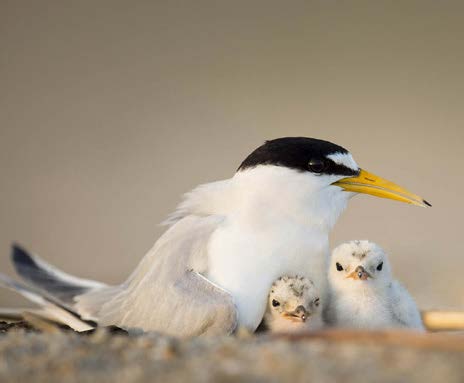
Least Tern
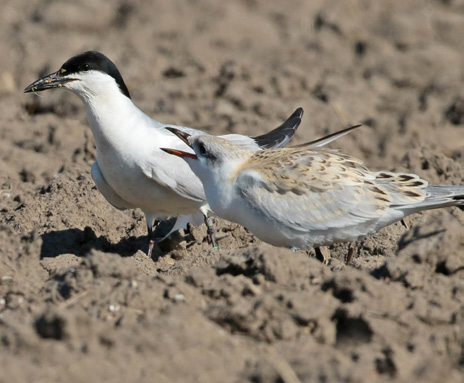
Gull-billed Tern
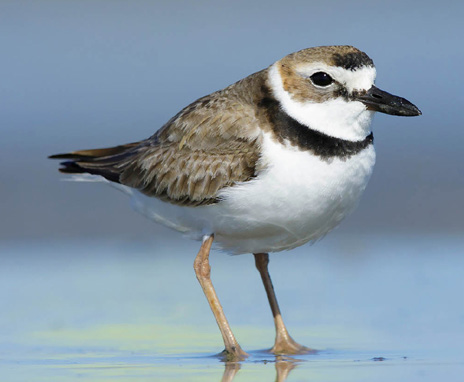
Wilson's Plover
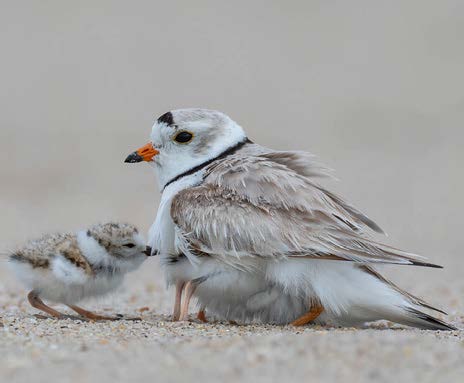
Piping Plover
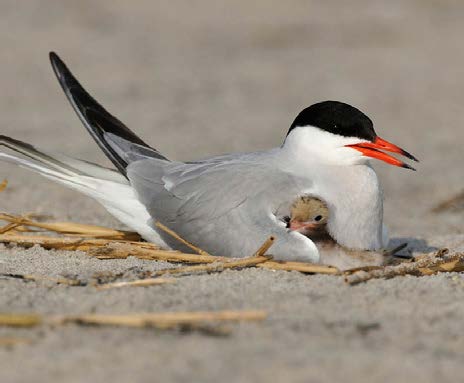
Common Tern
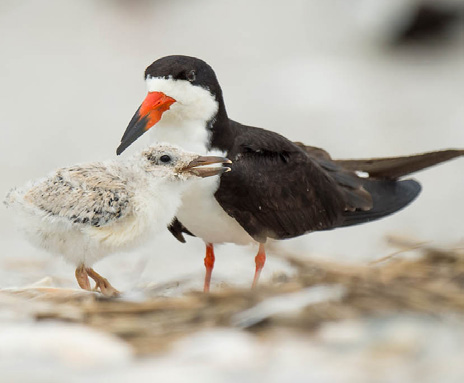
Black Skimmer
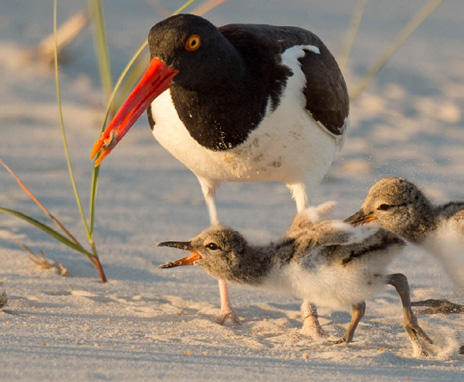
American Oystercatcher
Why should we protect these birds and their habitat?
Beach-nesting birds rely on the coast to find food and raise their young; yet coastal development has left these birds with few suitable foraging and nesting areas, and most sea- and shorebird populations are now in decline. To help these species we need to minimize the disturbance to their nesting and foraging habitats. Each time a bird is disturbed by a potential threat it becomes stressed and is forced to expend valuable energy by flying. If nesting birds fly away from their eggs or chicks the nest can quickly overheat from the sun’s rays (think about how your feet feel when walking on hot sand). If we take a few basic steps to share the shore with these birds we can enjoy the beach while they nest.
How can you share the shore?
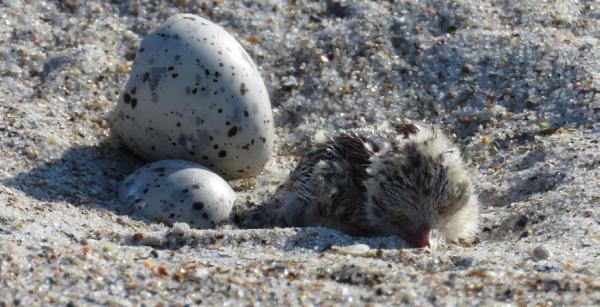
Give Birds Space
- Respect all posted bird areas. Do not enter nesting colonies.
- If you’re near a posted nesting site and birds react to your presence by calling loudly, running, or taking flight, you are too close. A good rule is to stay at least 50 yards away—half the length of a football field.
- Follow the beach driving laws for your beach. If driving is permitted stay below the high tide line. Avoid driving on the upper part of the beach or through the wrack line. Do not drive near posted nesting areas as small chicks that are not easily seen may be outside of the posting.
- Drones and kites may look like a predator to birds. Follow the the laws for your beach. Avoid flying near nesting colonies.
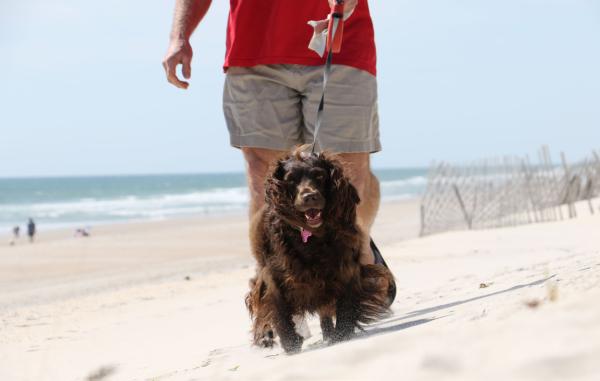
Keep Pets on a Leash
- Follow beach laws about pets on the beach.
- If pets are allowed, keep them on a leash. Pets (even if they are on a leash) are perceived as predators by nesting birds.
- Keep cats indoors. Outdoor cats harm birds, eggs, and chicks.
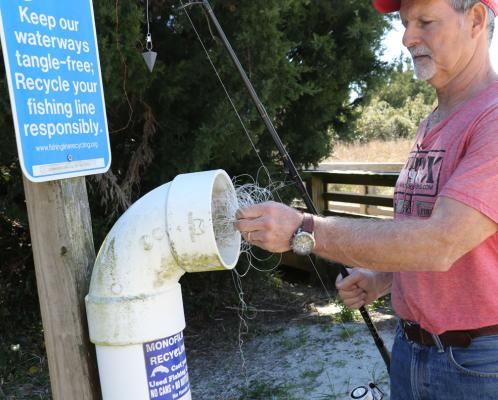
Keep the Beach Clean
- Take beach chairs, umbrellas, toys, food wrappers, beverage bottles, and other trash with you when you leave the beach. If left on the beach, they can end up in the ocean where they can harm wildlife.
- Place leftover food in a secure trash can. Feeding gulls or leaving leftovers on the beach can attract predators.
- Dispose of fishing line in monofilament recycling bins, or cut it into small pieces (under 6 inches) and put it in a trash can.
If you see someone disturbing beach-nesting birds, call the N.C. Wildlife Resources Commission at: 1-800-662-7137.
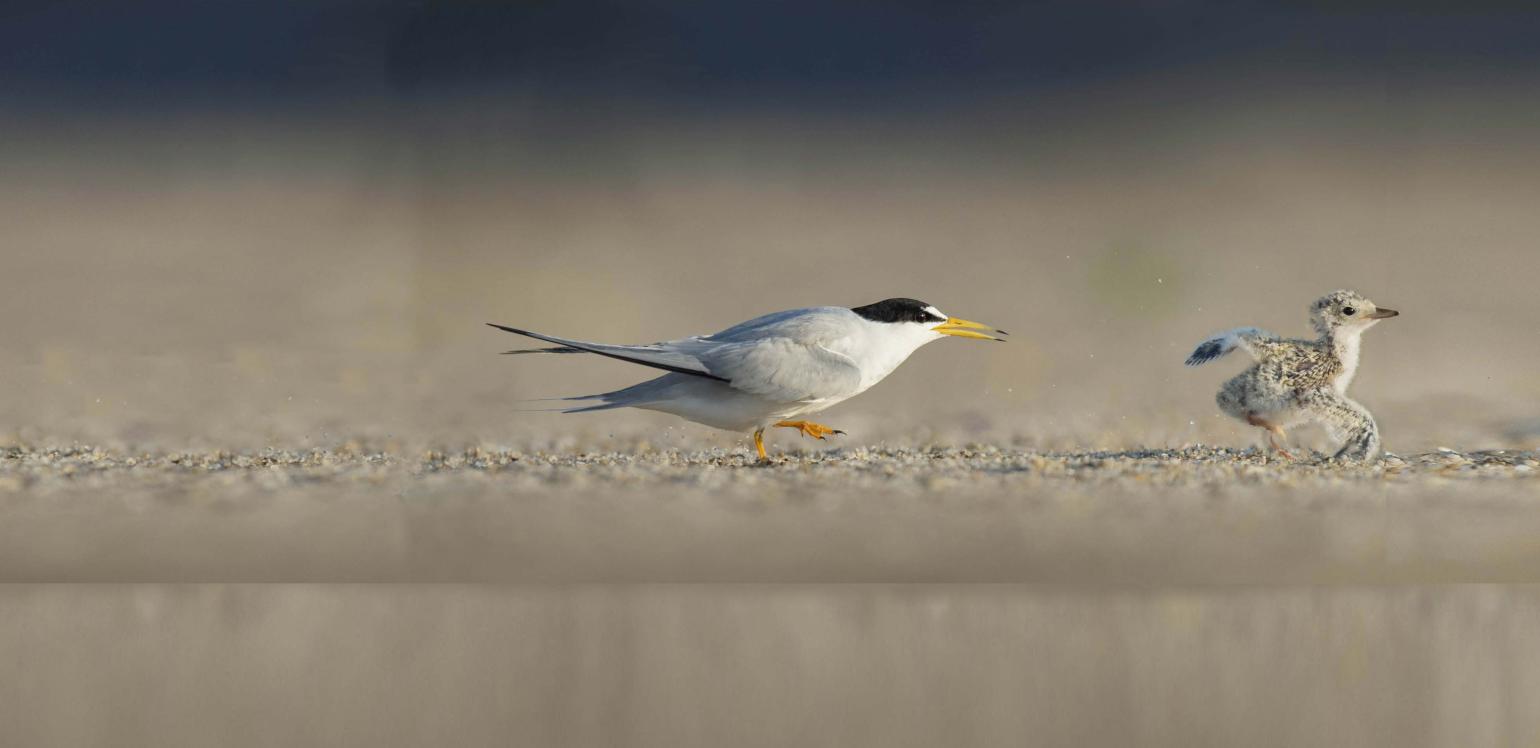
Photo credit: main image and bottom image: Annika Anderssen; Least Tern, Black Skimmer, and American Oystercatcher: Ray Hennessy; Gull-billed Tern: Shutterstock; Wilson's Plover: Agami Photo Agency; Piping Plover: RGL Photography; Common Tern: Breck P. Kent. All other photos: NCWRC staff.