Gray Bats Have Been Endangered for 50+ Years
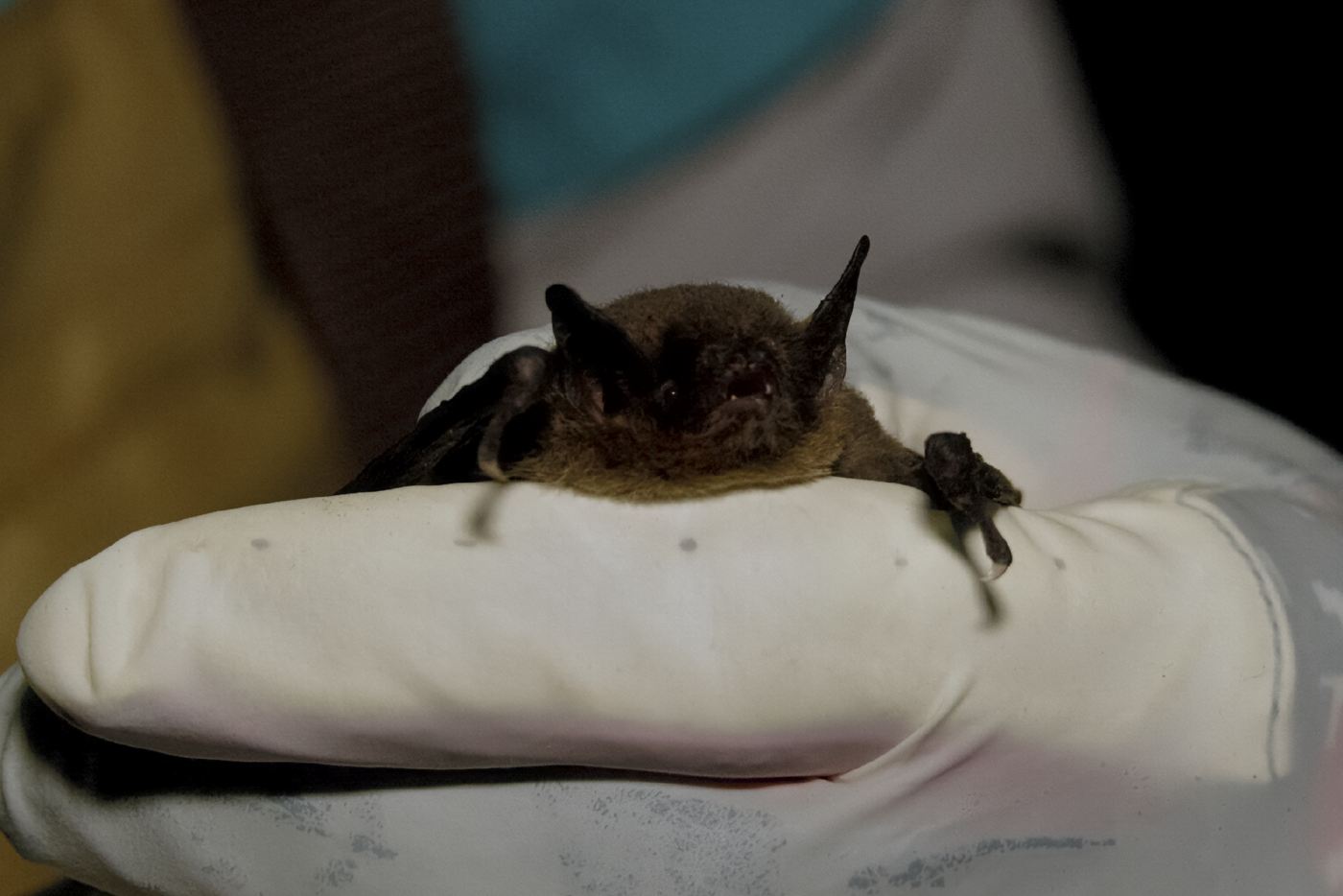
Listed as a federally endangered species since 1976, gray bats (Myotis grisescens) have been rare in North Carolina for decades. But thanks to improved conservation and protection efforts in recent years, the species’ total population finally appears to be stable — so much so that the gray bat may be removed from the endangered species list in the near future.
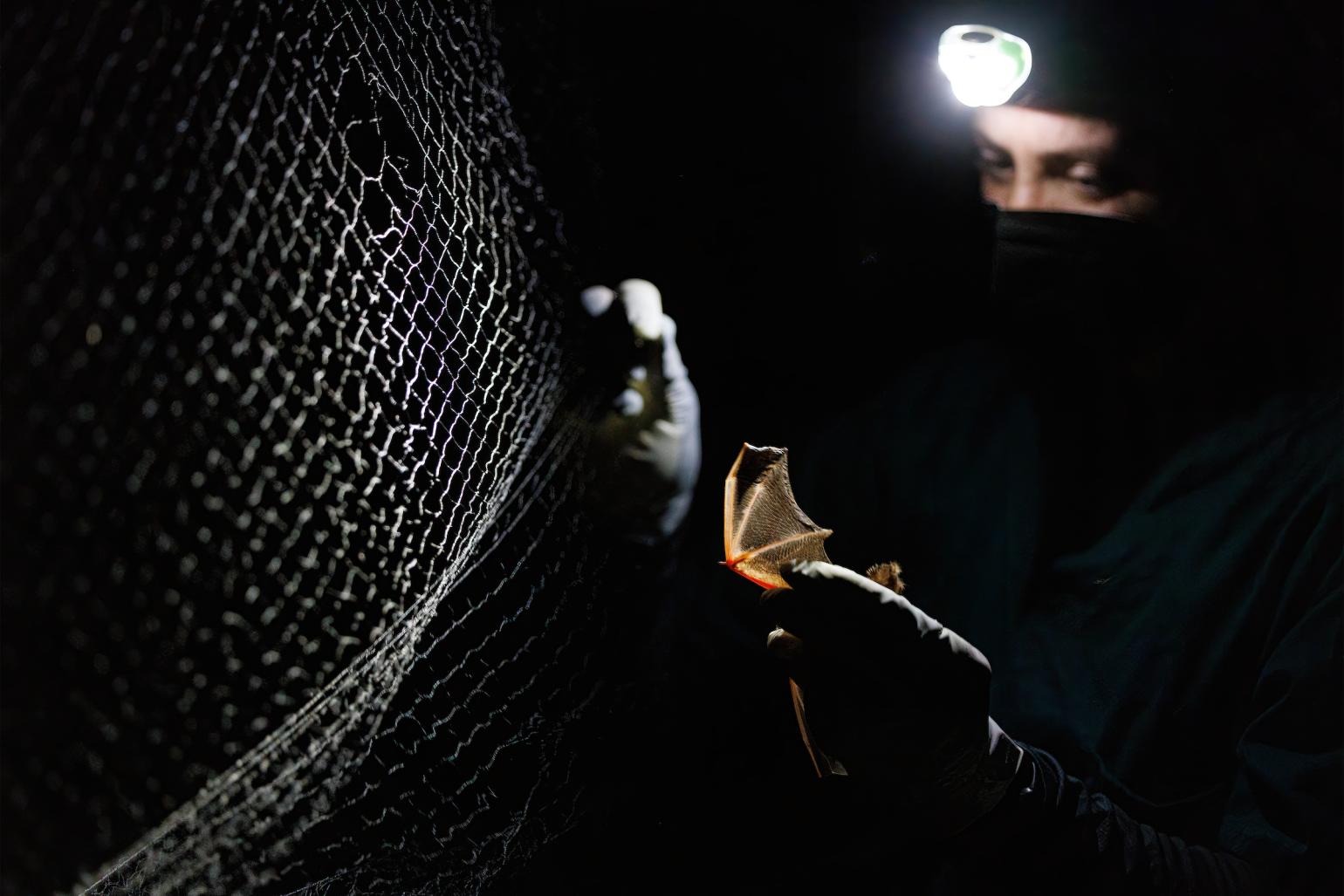
During a routine annual bat survey in September, a team of biologists from North Carolina’s State Parks division and the Wildlife Resources Commission were surprised to find a gray bat, the first of its species ever caught in a state park. Finding a healthy gray bat in our state parks is not only a major success for the species, but a hopeful sign for the future of bat populations across North Carolina.
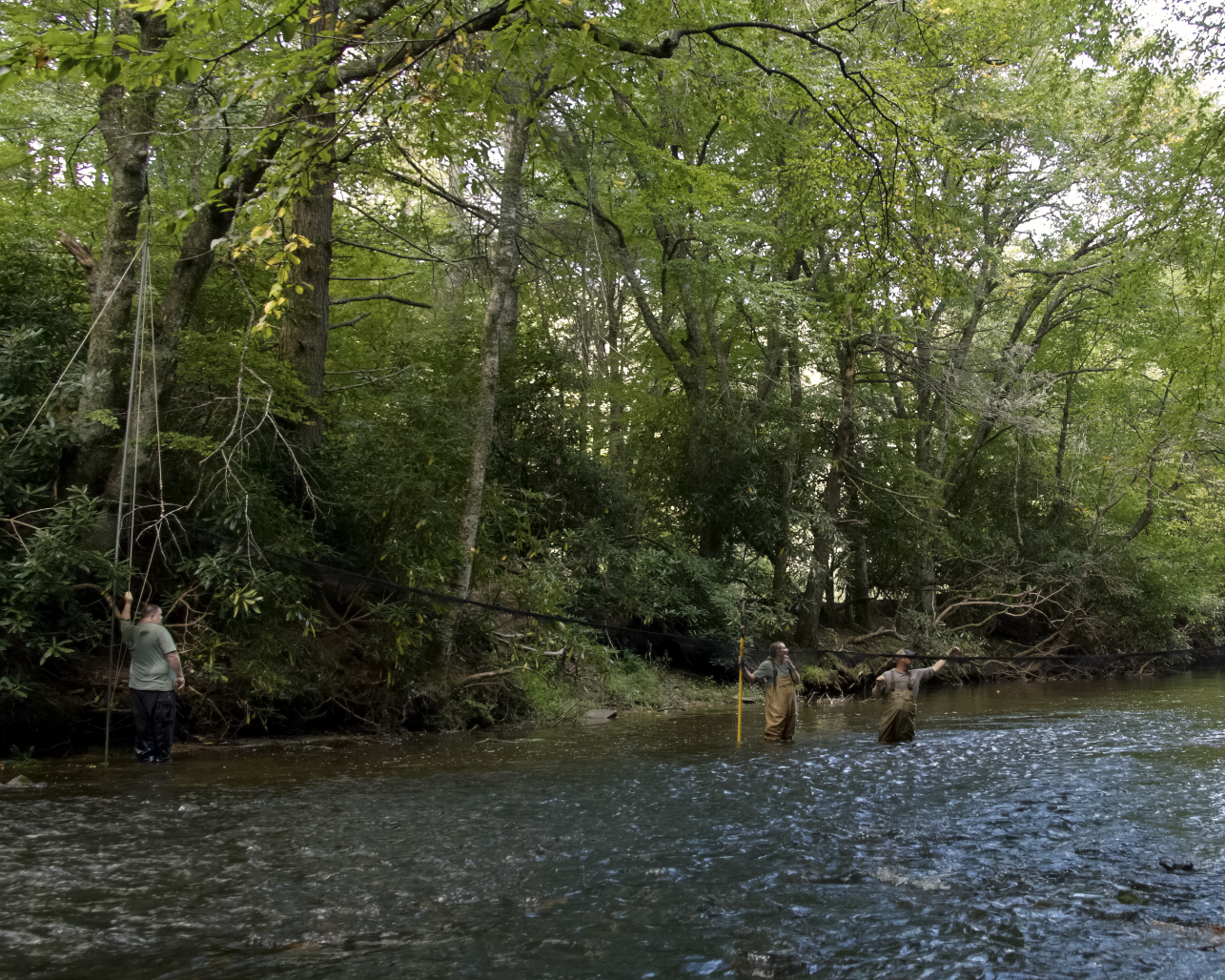
“According to our records, this is the first gray bat that has ever been captured or observed in a state park unit,” said N.C. State Parks Inventory & Monitoring Biologist, Ed Corey, “and that’s with over 25 years of bat data. This is the very first record of that species throughout our entire state park system.”
White Nose Syndrome Affects Native Bat Populations
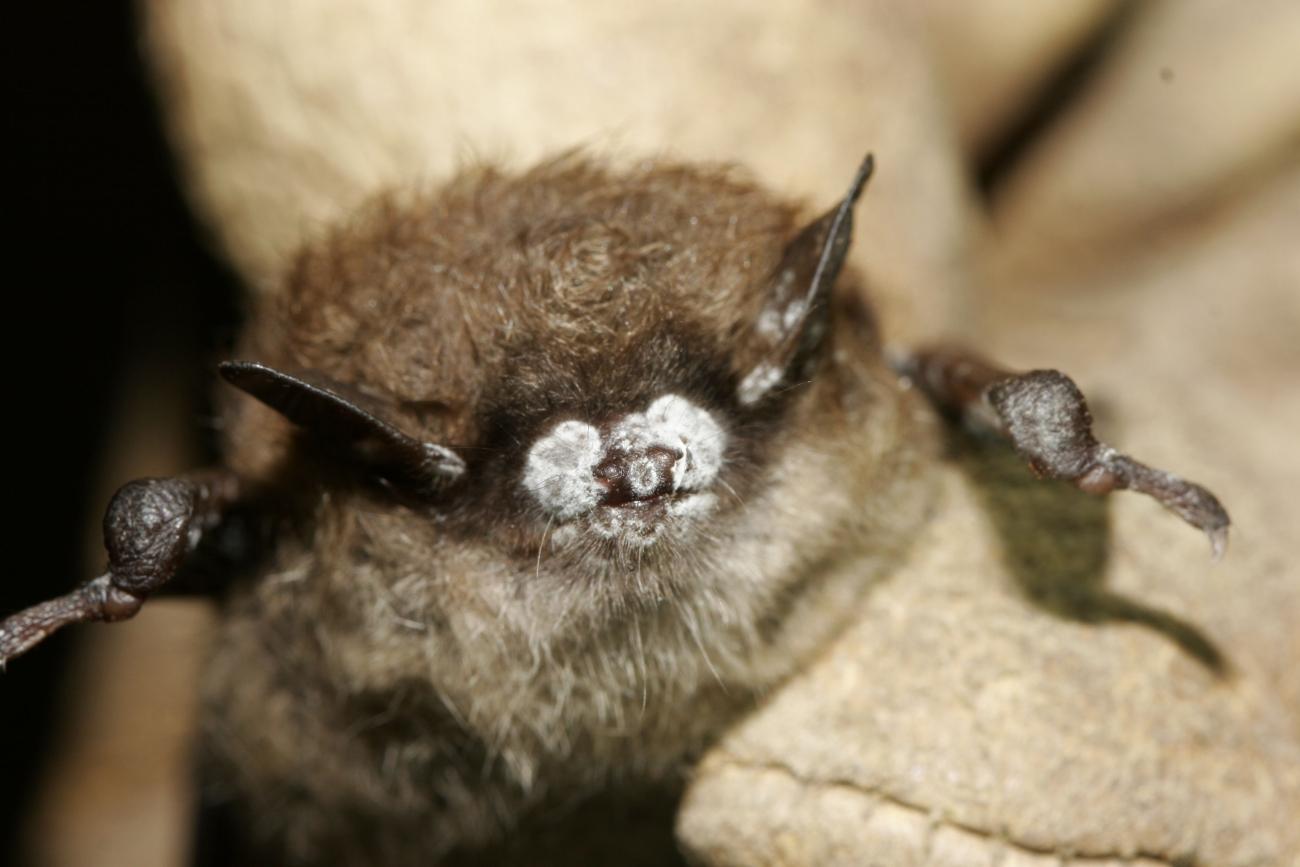
Part of the reason why discoveries like these are so exciting is the hope it brings bat conservationists despite the impact of a deadly, species-specific disease that has brought the populations of several bat species found in North Carolina to record lows. White Nose Syndrome (WNS) is fungal disease that has devastated bat populations across North America.
NCWRC Bat Biologist Katherine Etchison explains how WNS works: “It is a fungal disease that affects bats when they’re hibernating. Usually what happens is they just starve to death because they wake up so frequently to clean themselves off. They’ve only saved up enough fat reserves to last the winter, and eventually they just wake up too often, they deplete those fat reserves, and they don’t make it to spring.”
In the wake of this spreading disease, it seems that gray bats have stayed healthy and taken the opportunity to spread their wings to populate new territories. “For a long time, gray bats weren’t really known for most of the mountains of North Carolina. But possibly because they weren’t as heavily affected by White Nose Syndrome [as other species in the same genus], they seem to have spread out over these larger niches to figure out new foraging habitat and to cover these larger areas of occupancy,” Corey shared, “It seems like over their entire range, gray bats are stable.”
North Carolina Bat Conservation Doesn’t Stop Here
Discovering a healthy gray bat in a state park is good news for the future of bats in North Carolina. “16 other species of bats have occurred in state parks in North Carolina at some point, and to finally be able to fill in that one missing puzzle piece with a Gray Bat is a great feeling,” said Corey.
This gray bat capture adds to the list of this year’s good bat news. In July, Indiana bats (also a federally endangered species) were caught in N.C. for the first time in over a decade.
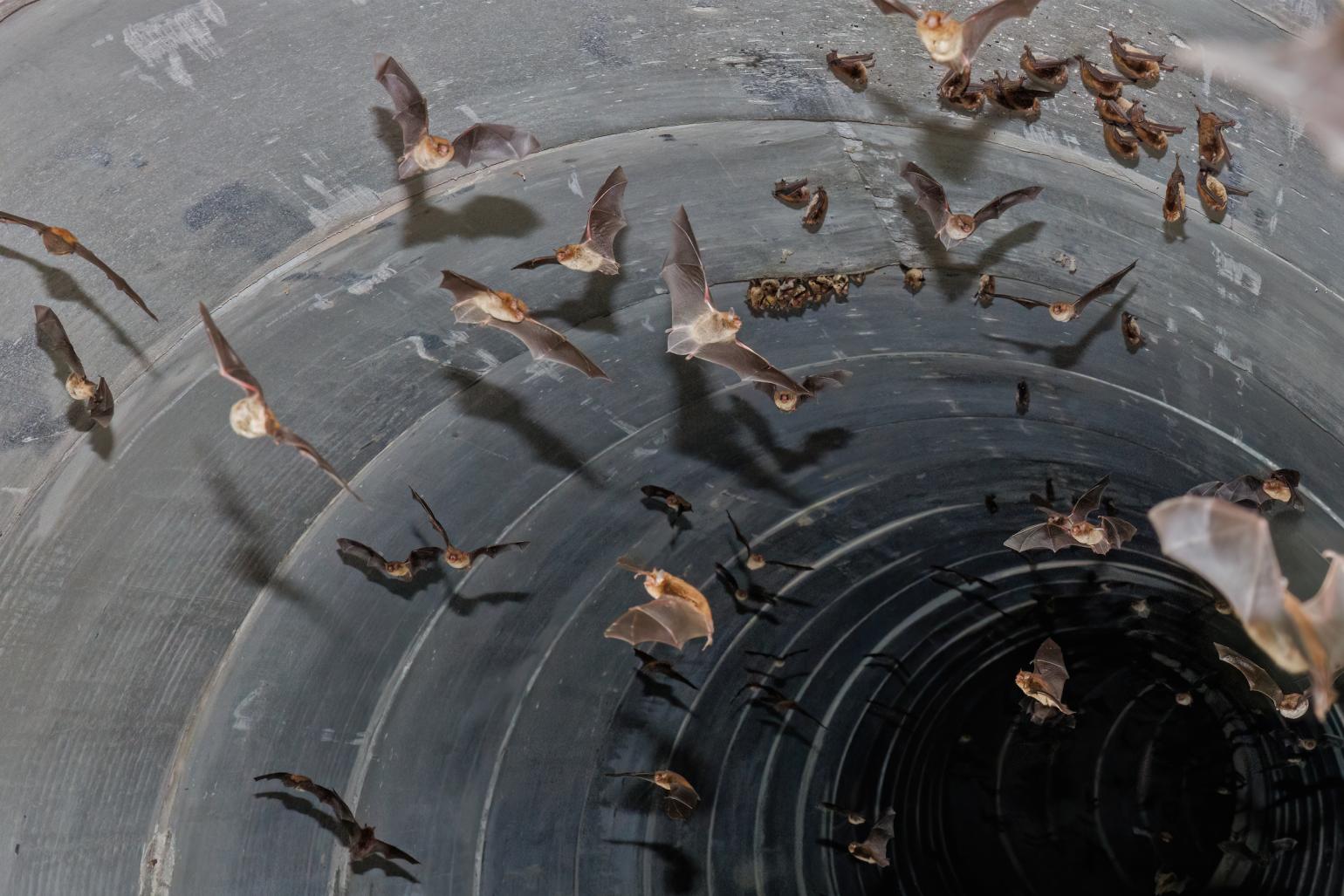
Even with these hopeful finds, bats still need our help – over half of all bat species in the U.S. are in severe decline or listed as endangered.
Efforts like these are made possible by collaborative research and by engaged citizens. Volunteers are a key part of NCWRC’s conservation work, lending their time, resources, and helping hands to projects like NABat, the North Carolina Bat Acoustic Survey.
Want to get involved in preserving our state’s wildlife and resources? Learn about volunteering and donation opportunities today!