
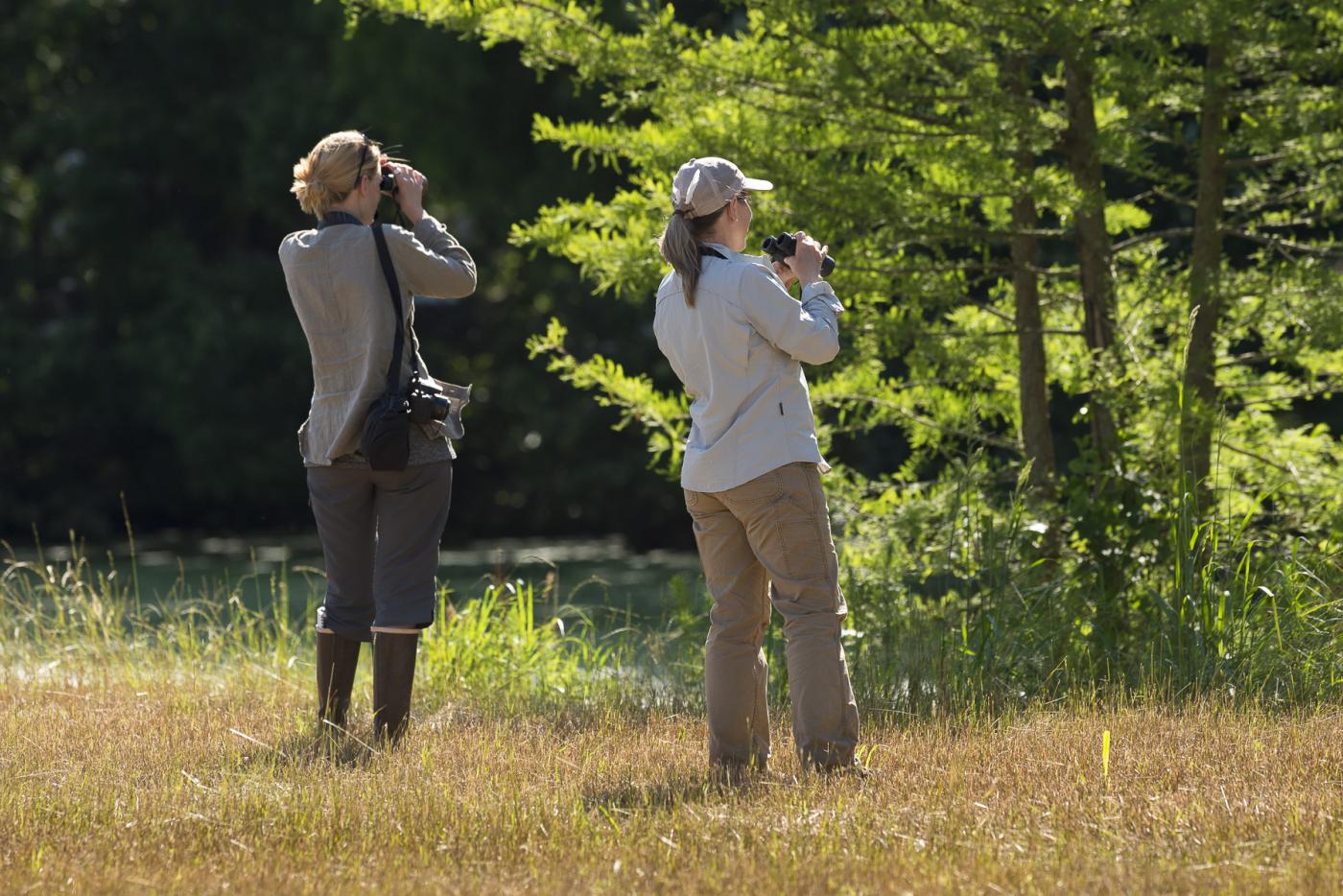
Spring and summer are among the busiest times of year for wildlife, as many species are breeding, nesting, calling, migrating, or raising young. This period of heightened activity also represents one of the busiest times for our wildlife surveys and monitoring programs, when we rely most heavily on volunteers to help us gather information across the state. This fall, we’re reflecting on the tremendous contributions volunteers make to wildlife conservation across North Carolina.
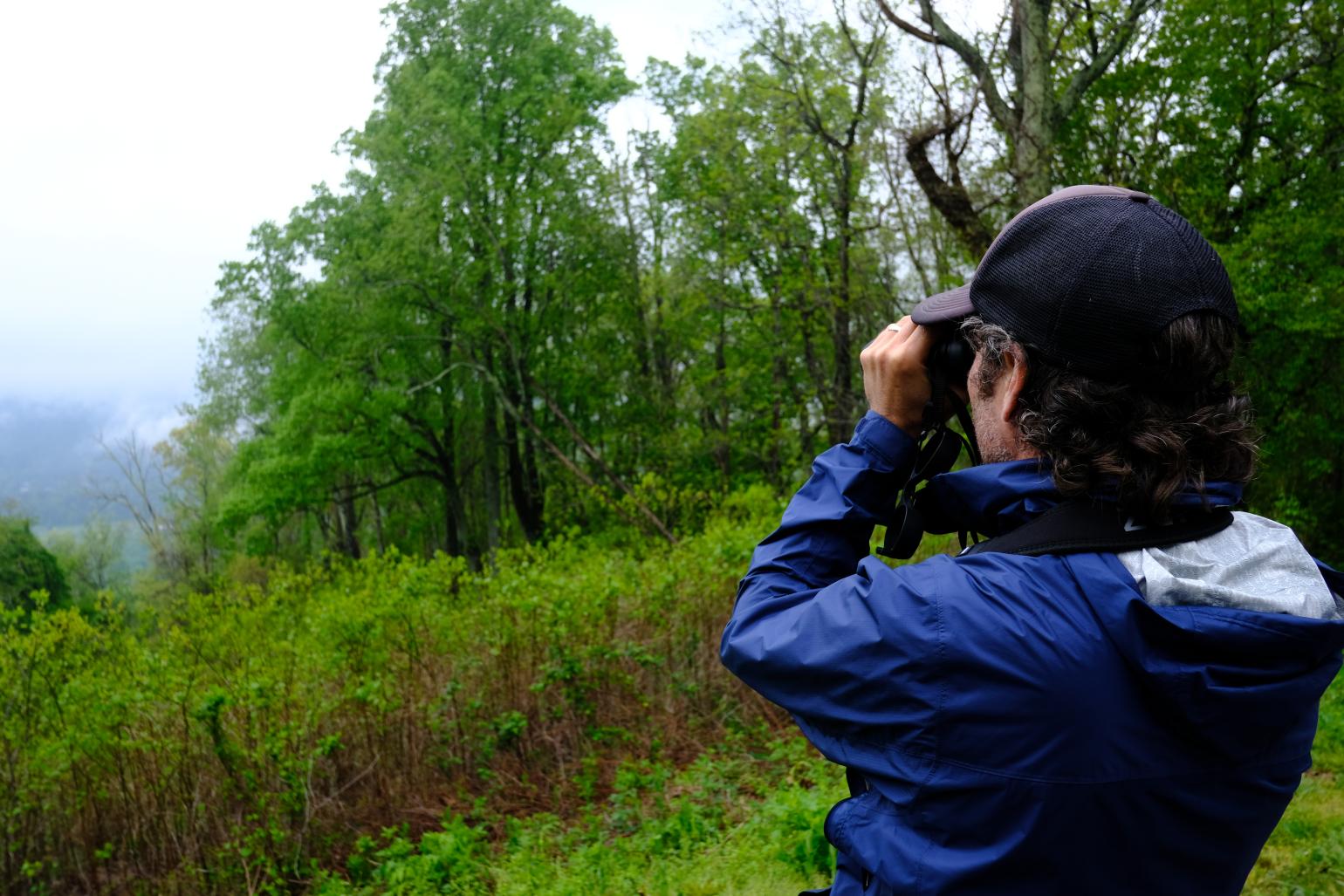
Within the WRC’s Wildlife Diversity Program, we've seen firsthand what can be accomplished when dedicated volunteers lend their time and expertise. This “multiplier effect” is profound: volunteers dramatically expand our ability to collect information across N.C. and provide data that would otherwise be impossible to gather with agency staff and resources alone. Sometimes, just a single biologist works with a particular species or group – volunteers extend our reach far beyond what would otherwise be possible.
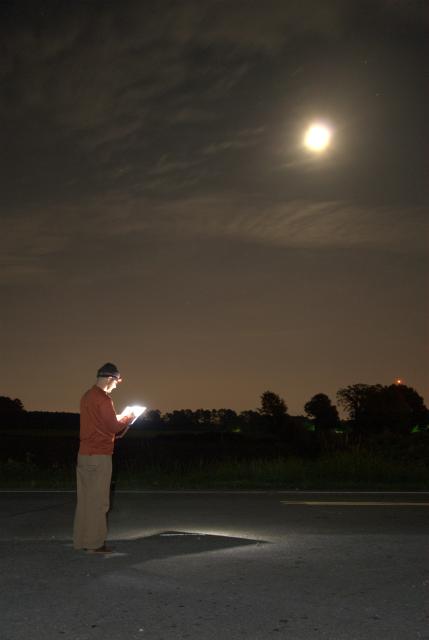
Our Nightjar Survey Network volunteers, for example, sacrifice precious hours of sleep to spend their nights traveling survey routes and listening for the distinctive calls of whip-poor-wills, chuck-will’s-widows, and common nighthawks. Our NABat survey volunteers also travel roads across the state after sundown with acoustic monitoring equipment mounted to the tops of their vehicles, helping us document the distribution of N.C.’s bat species.
Other volunteers dedicate their time to walk through streams, forests, wetlands, and other habitats searching for amphibians and reptiles for projects like HerpMapper and our Calling Amphibian Survey Program. These observations contribute to databases that help biologists better understand the distribution and status of herpetofauna across the state.
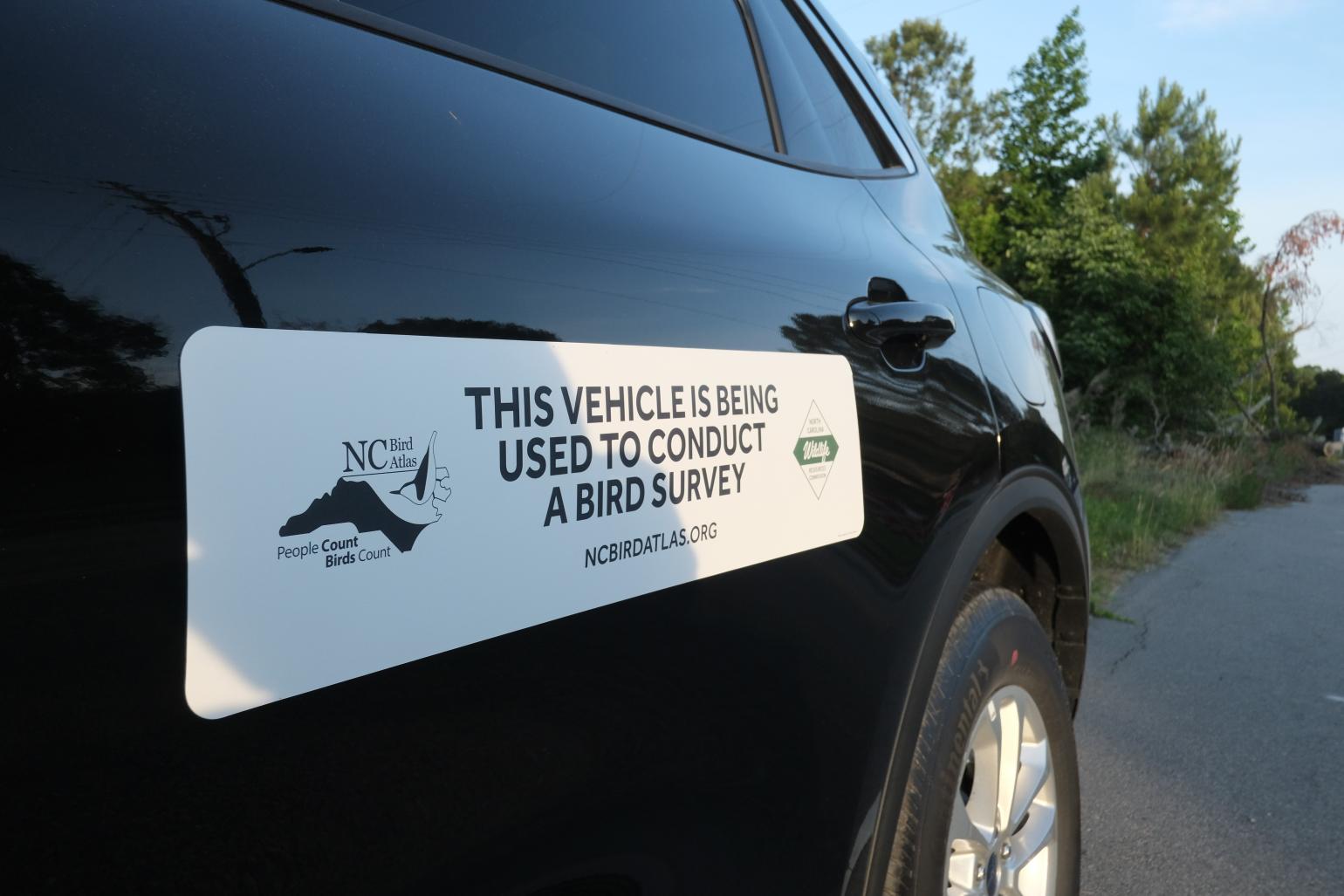
Recently, data collection for the NC Bird Atlas concluded after five years of fieldwork to document bird presence and breeding activity across the state. Hundreds of volunteers contributed countless hours to this monumental effort, helping create what will be the first-ever comprehensive bird atlas of N.C.’s breeding birds with a total of 4,774,640 bird observations! This accomplishment is a remarkable example of what can happen when individual contributions are multiplied across an entire state.
These are just a few examples of the wildlife surveys and monitoring projects supported by volunteers. Whether someone spends one evening listening for nightjars, an afternoon searching for salamanders, or five years documenting birds, every contribution adds to our understanding of our state’s wildlife. The data collected by volunteers help biologists understand where species occur, identify changes in populations and distribution, and make better-informed decisions about wildlife conservation and habitat management.
So, as we look back on another busy field season, we want to recognize and thank everyone who has donated their time, energy, expertise, and enthusiasm to these efforts. Your work is an essential part of wildlife conservation in North Carolina, and a powerful example of the multiplier effect in action.
If you want to learn more or get involved, visit our Volunteer Opportunities hub today.