
Summary
- Lake Craig Dam was partially washed out by Hurricane Helene flooding, allowing uninhibited fish passage for the first time in 100+ years.
- Smallmouth bass and russet darters were discovered upstream from the dam by fish monitoring surveys; both are positive indicators for the Swannanoa River’s health.
- NCWRC, Warren Wilson College (WWC), and community members are helping to reintroduce species and replant vegetation – important steps for long-term habitat resilience and future outdoor recreation opportunities.
Good Fish News: Two Species Discovered Upstream After Storm Damage
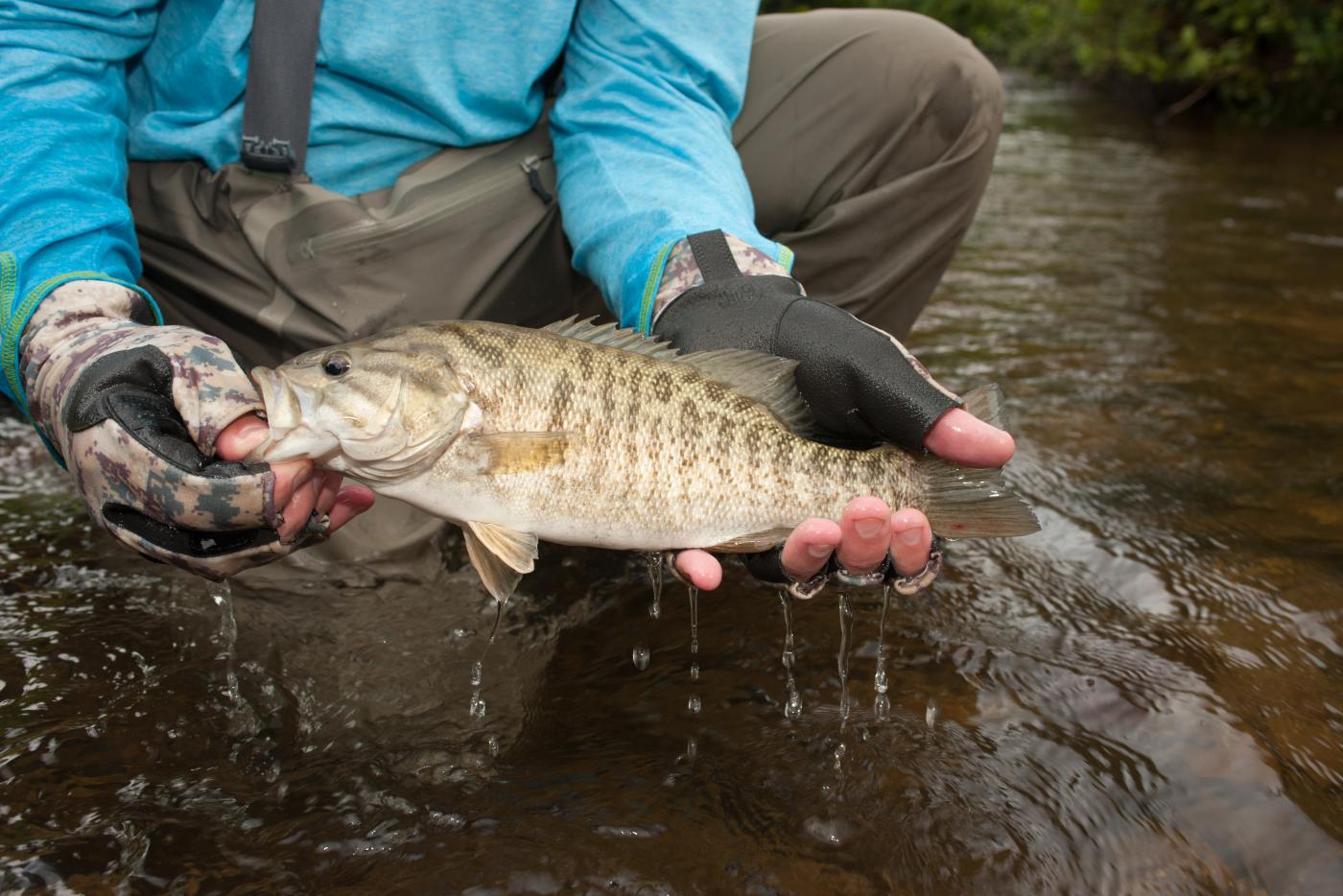
Two species of native freshwater fish were discovered upriver from Lake Craig Dam after Hurricane Helene washed out the structure, allowing fish passage for the first time in decades. Smallmouth bass and russet darters were discovered in areas of the Swannanoa River above the dam during NCWRC and WWC fish monitoring surveys for the first time since the dam’s construction, which was exciting news for conservationists.
Lake Craig Dam is over 100 years old. This dam, and others like it, are known to create barriers to aquatic species within their native ranges. When species are reduced or eliminated from areas due to impacts from pollution or significant weather events, dams can prevent them from repopulating those areas on their own. This dam has been a known barrier for at least six fish species monitored by NCWRC. The City of Asheville has decided not to repair the damage to Lake Craig Dam, which will allow continued fish passage.
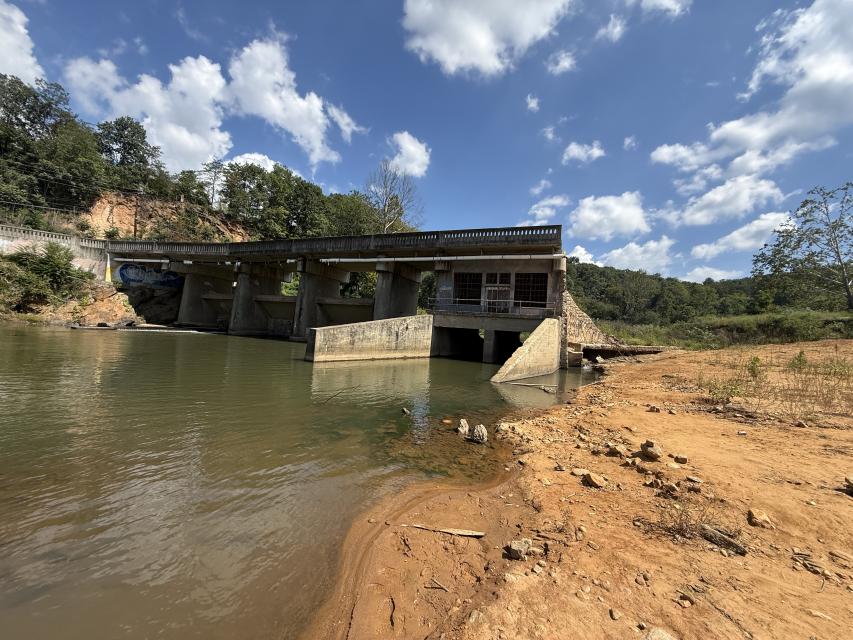
These fish were able to repopulate an area of the river naturally thanks to the damage to the dam. NCWRC planned to add these species to the Swannanoa River above the dam to help expand the populations and conserve the species – but they beat us to it, which is an even better outcome.
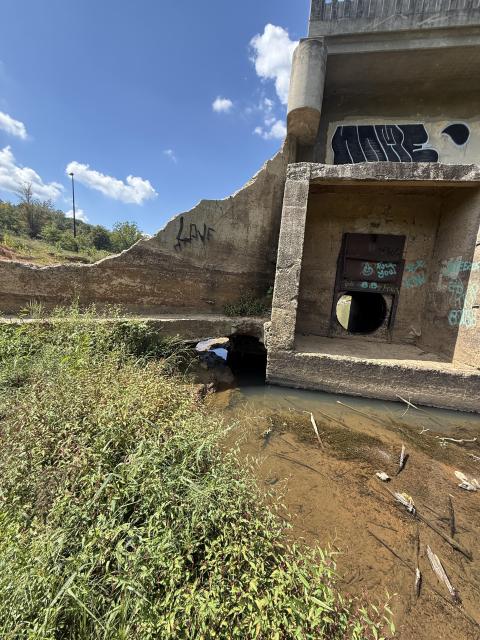
This unexpected good news reminds us that resiliency of our river fish community requires uninhibited passage. As Conservation Biologist Luke Etchison put it, “this is a success story – when you let a river be a river, it can heal itself.”
Smallmouth Bass & Freshwater Mussels
Smallmouth bass are an important part of the river ecosystem. They keep the food chain in balance through predation and are a critical part of the lifecycle of freshwater mussels.
“Freshwater mussels are the livers of our waterways, helping to filter rivers, lakes, and streams and keep our ecosystems functioning,” Luke Etchison explained, “for all of us that lost drinking water access [due to Hurricane Helene], it’s really easy to relate to how important it is to have a free water filter in our rivers.”
Mussels improve water quality, allowing more sensitive species to flourish. Without smallmouth bass, it would be very difficult for some species of freshwater mussels to persist, impacting the river’s overall health.
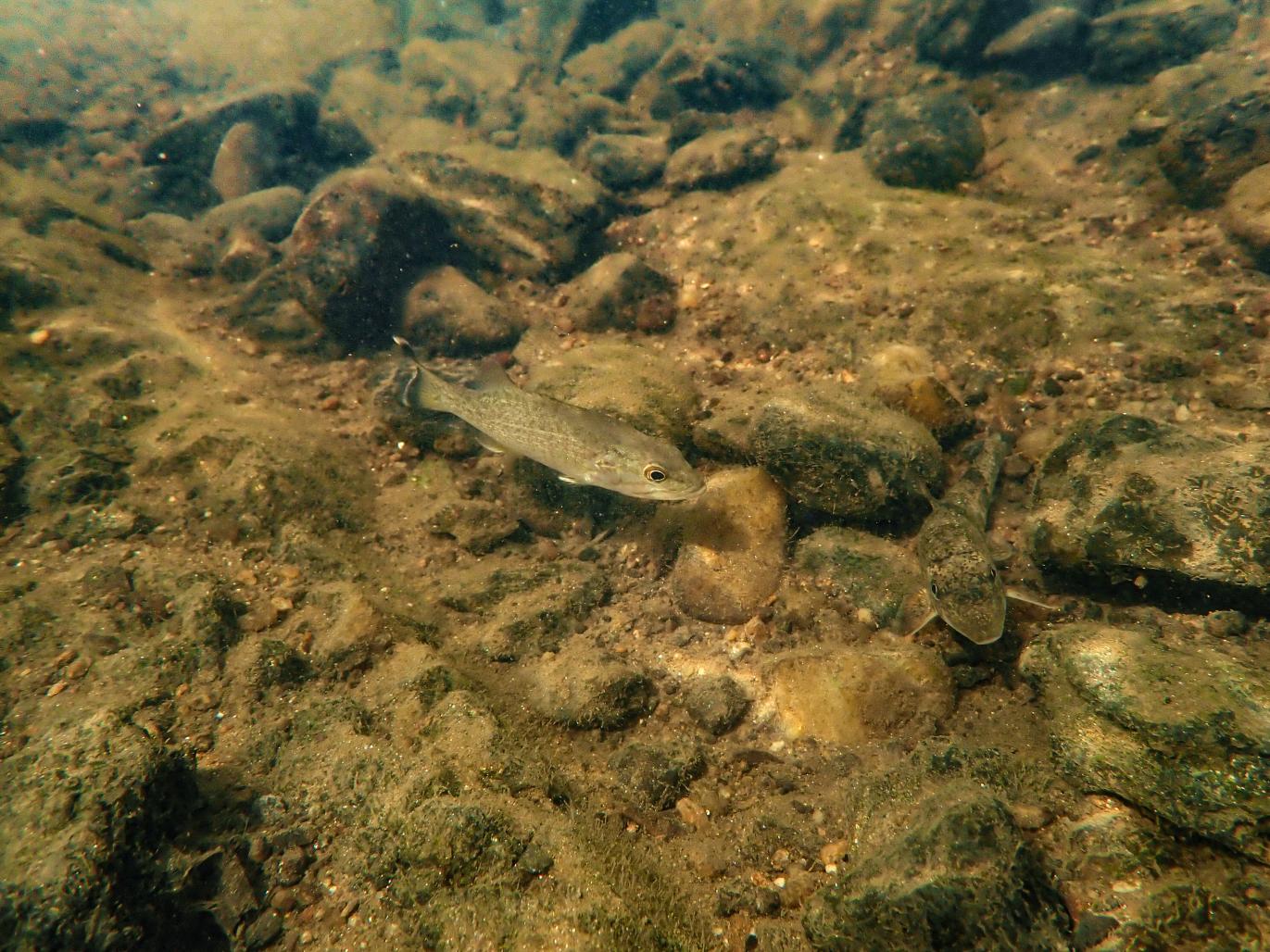
The smallmouth bass is also a fantastic sport fish. Tree canopy and vegetation damage from the hurricane led to water temperatures reaching over 90 degrees Fahrenheit in the Swannanoa River, making it very difficult for other sportfish like the cold water-loving brook trout to survive. Smallmouth bass are more tolerant of warm water, helping to establish new, sustainable fishing opportunities in the Asheville area.
Russet Darters & Tangerine Darters
Russet darters – formerly known as gilt darters, and part of the perch family – are an example of a species which is more sensitive to pollution.
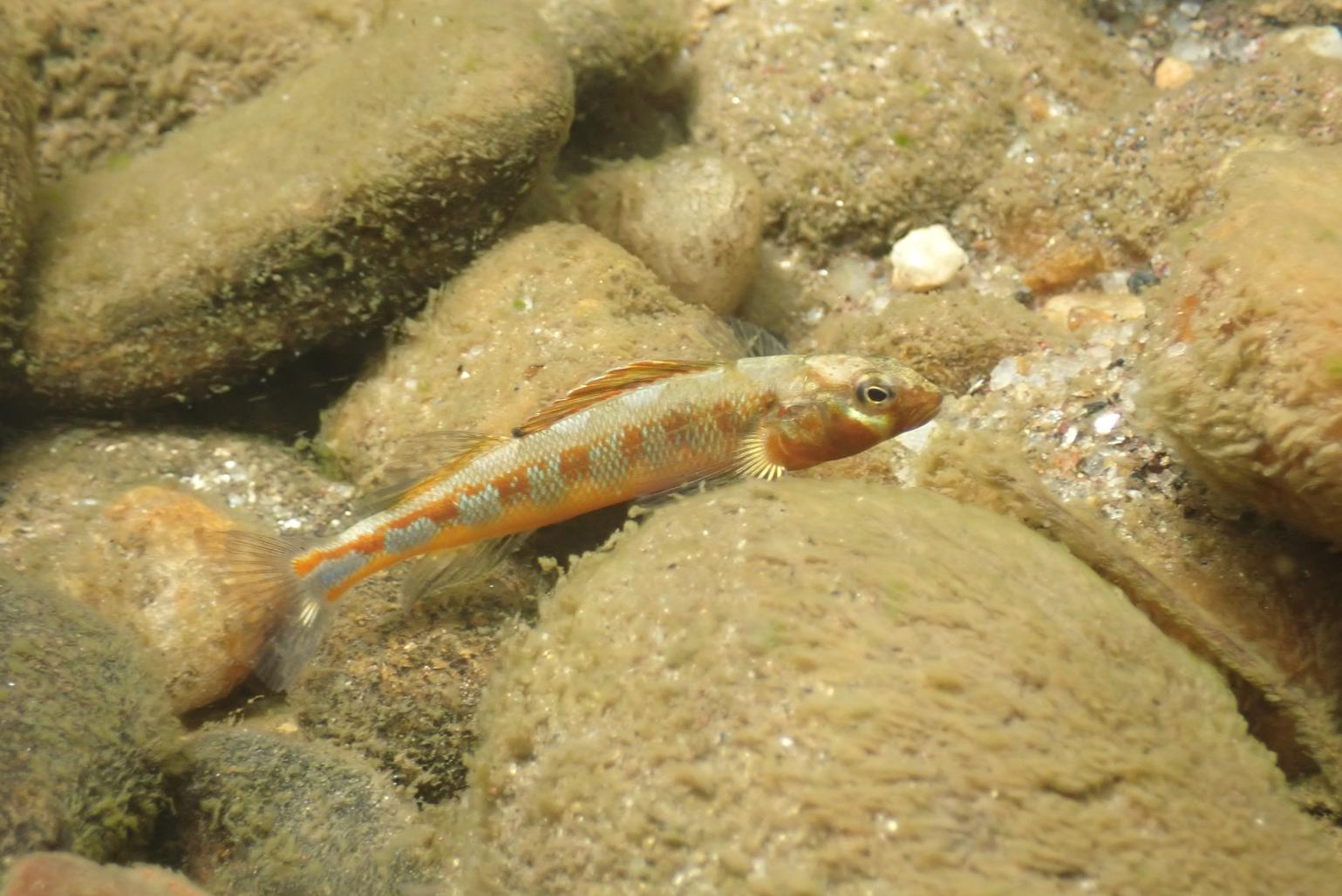
Their relatives, tangerine darters, were reintroduced in the same area by NCWRC. Tangerine darters are still flourishing, despite environmental impacts from Helene and pollution from human development.
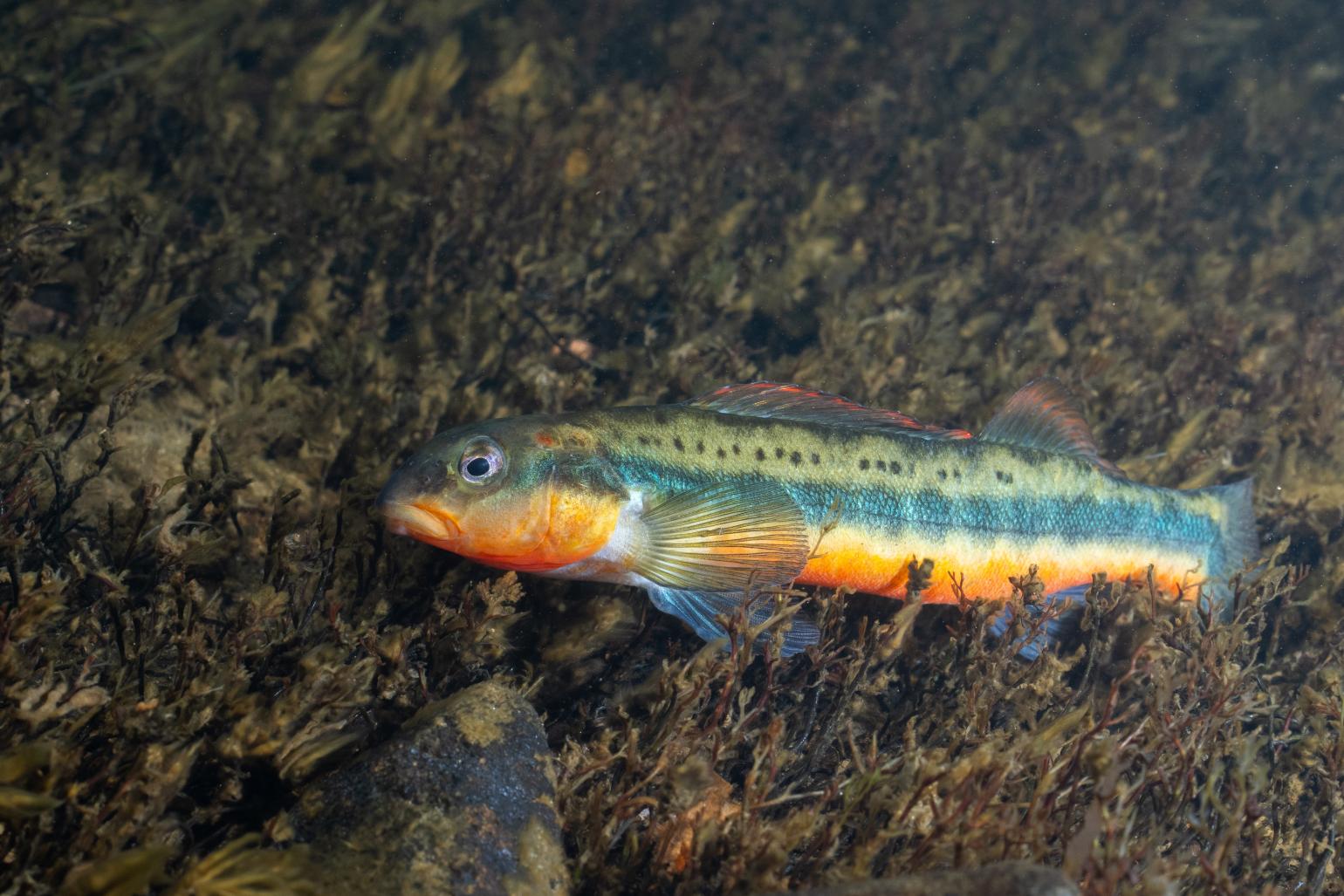
The presence of these fish is a strong indicator of improving water quality.
Helping Hands: WWC & Community Partnerships Restoring Watershed Habitats
NCWRC and WWC have a longstanding partnership with a shared focus on community engagement and inclusivity. WWC is a working college located on the bank of the Swannanoa River, bringing the benefits of both proximity and personnel to our conservation efforts. WWC is a key conservation partner in western North Carolina, regularly supporting NCWRC through fish and wildlife monitoring surveys, translocation and reintroduction of species, cultivation and replanting of native vegetation, and more.
Hurricane Helene hit the Asheville area especially hard in September of 2024. WWC immediately sprang into action to grow and replant aquatic and riparian vegetation into the river and banks. Luke Etchison shared a memory about the impact of their help: “It was unbelievable. They had over 19,000 live stakes planted in just three weeks in the spring of 2025. It’s amazing what kind of a crew they can pull together.”
In addition to the college’s resources, WWC’s River Stewards program allows members of the local community to actively participate in habitat restoration and watershed conservation through student-led workshops. WWC is teaching people how to restore and look after their rivers and streams, which will go a long way towards making sure the habitat can thrive long-term.
The Future is Bright: A Stronger Swannanoa River Ecosystem is Thriving
It’s full steam ahead as both humans and wildlife continue to rebuild the Swannanoa River ecosystem. Species like smallmouth bass and russet darter are optimistic indicators for future habitat resilience – there’s much more good news to come if we continue on this path.
In the future, NCWRC and WWC will be able to reintroduce more species – resource managers typically start by testing whether common species can be supported in the area, then if successful, work towards adding sensitive or rare species. Hopefully, the river will be healthy enough to introduce some species of greatest conservation need back into their native habitat in the future.
Our rivers are well worth protecting, whether we enjoy them for outdoor recreation or simply as casual observers. Learn how you can get involved in preserving North Carolina’s precious resources today: