
What types of sea turtles are found in North Carolina waters?
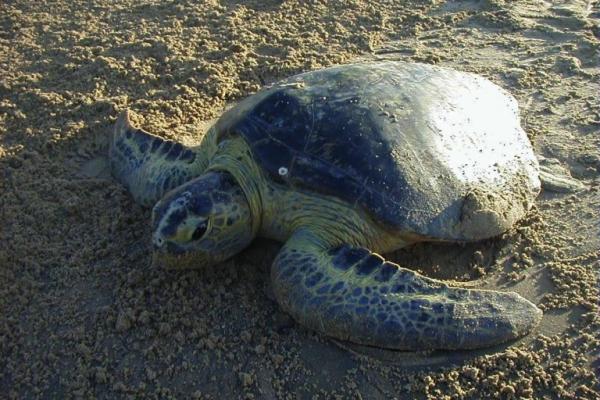
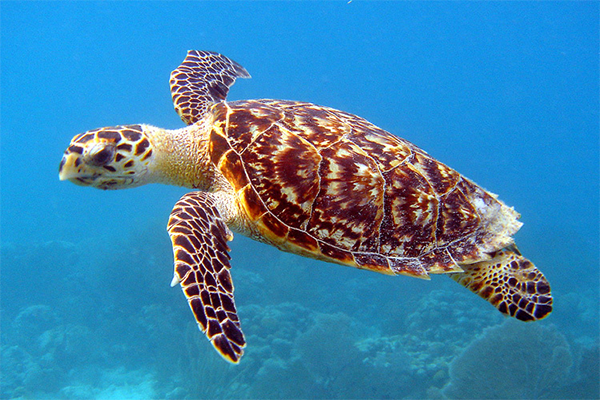
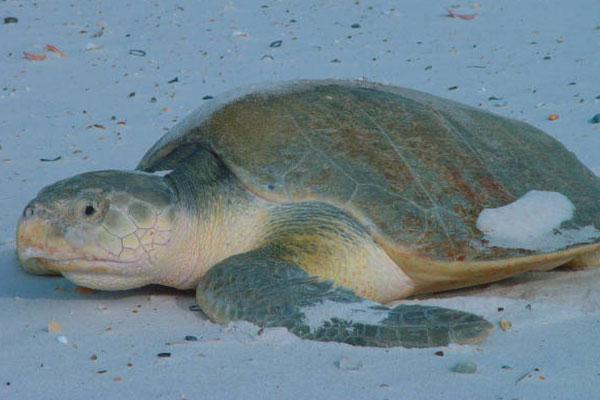
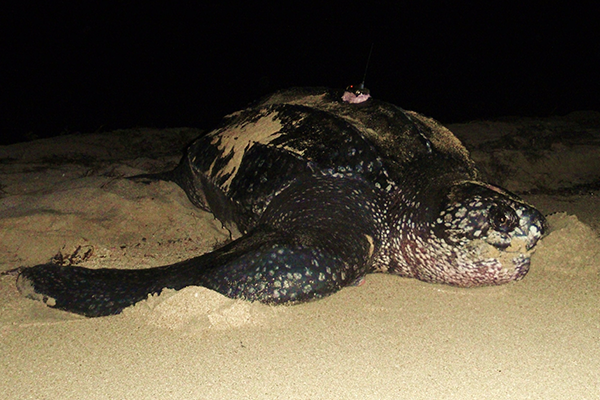
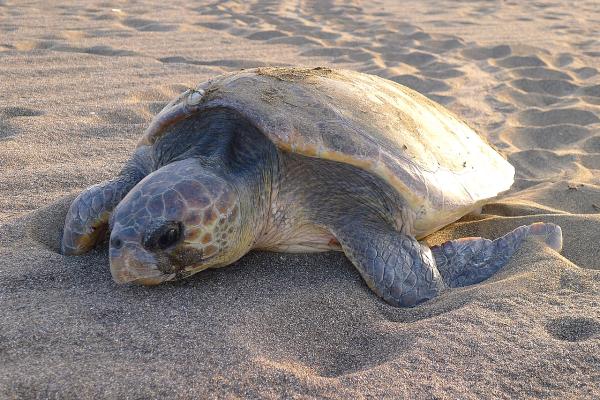
Among the largest living reptiles, sea turtles species found regularly in North Carolina include: loggerhead, Kemp’s ridley, green, hawksbill and leatherback, all of which protected under the Endangered Species Act. Most species have scales and a bony shell and all species are cold-blooded, breathe air and lay their eggs on land.
Why should these sea turtles and their habitats be protected?
Sea turtles found in North Carolina waters or on the beaches are designated as threatened or endangered under the U.S. Endangered Species Act (ESA). Endangered status means a species is considered in danger of extinction throughout all or a significant portion of its range. Threatened means that a species is likely to become endangered. The ESA provides penalties for taking, harassing or harming sea turtles and affords some protection for their habitat.
Help protect sea turtles all year long
- Properly dispose of your garbage. Turtles may mistake plastic bags, styrofoam and trash floating in the water as food and die when this trash blocks their intestines.
- Celebrate events without the use of helium balloon releases. Balloons end up in the ocean, especially when released near the coast. Sea turtles mistakenly eat the balloons and die.
- Avoid trampling beach vegetation. Use boardwalks when available instead of walking over dunes. Natural vegetation stabilizes sand and reduces beach erosion.
- When boating, stay alert and avoid sea turtles. Propeller and collision impacts from boats and ships can result in injury and death of sea turtles. Also, stay in channels and avoid running in seagrass beds to protect this important habitat from prop scarring and damage.
- Avoid anchoring boats in seagrass beds and coral reefs which serve as important feeding and resting habitats for sea turtles.