
Want to support wildlife in your yard?
Doing it in the right ways can make a real difference while avoiding unintentional harm. Many people want to help wildlife that visit their yard. Putting out food for them may seem kind, but it often causes serious problems for both wildlife and people. There are much better ways to support wildlife than providing unnatural food sources.
- What are unnatural food sources for wildlife? “Unnatural” food is anything people gather (or buy) and place outside in a pile or container for wild animals to eat. Examples include corn, birdseed, apples, pet food, and table scraps. Even birdseed mixes containing millet or safflower are gathered from many plants grown over a large area. In the natural environment, these foods are not concentrated all in one place, or don’t exist at all.
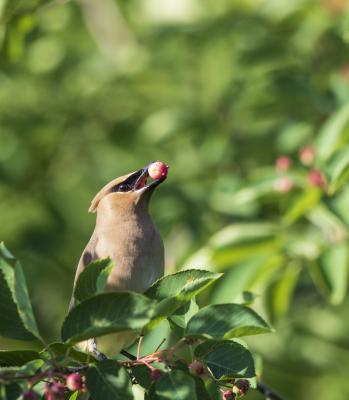
So what are natural food sources? Living plants, especially ones that are native to the area, provide leaves, seeds, and fruits for wildlife. The insects that these plants support are crucial food for baby birds and bats. These plants also provide important shelter and nest sites for wildlife. A bed of native wildflowers or bushes, or even a single oak tree is much more than landscaping – it’s literally nature’s grocery store. Importantly, natural foods are scattered throughout the environment, requiring wildlife to actively forage instead of coming to one location for an easy handout.
Why putting out food harms wildlife
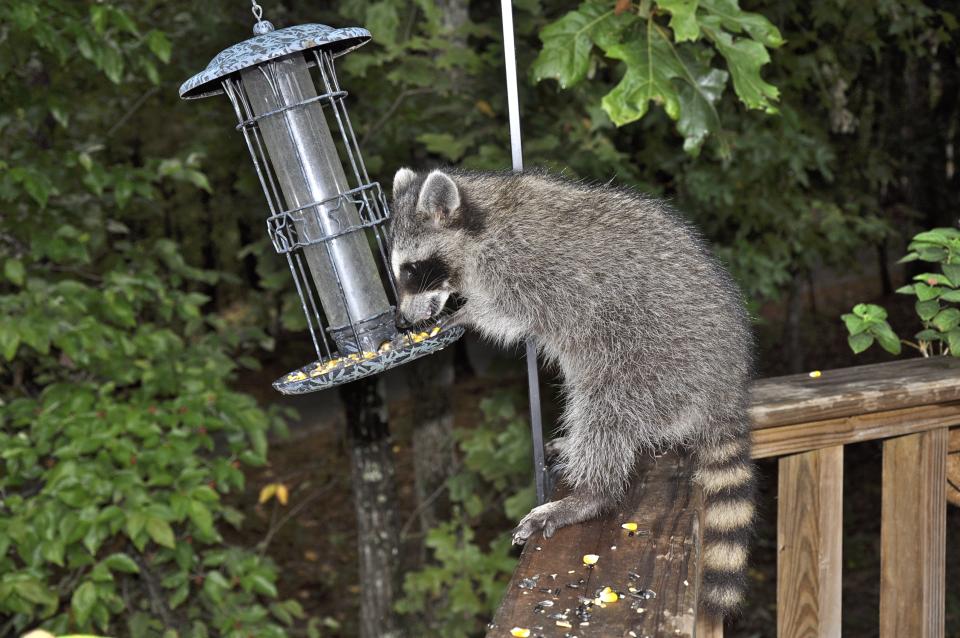
- It creates dependence on humans. Young wildlife learn how to find natural foods through practice and experience. If they learn to rely on handouts from people, they may not learn how to find or even recognize natural foods in their environment. This can make it harder for wildlife to survive on their own without continuing to rely on people.
- Wild animals learn unsafe behaviors. When wild animals reliably find food near homes or businesses, they will return looking for more. Bears, foxes, coyotes, and racoons will actively seek out porches or garages if they’ve found food in similar places before. This increases the chance of dangerous encounters with people and pets. Wild animals are often euthanized when they become too bold or fearless around homes – an unfortunate but common outcome when people have been putting food out for them.
It spreads disease. When many animals eat from the same food source, diseases can spread quickly. Deadly illnesses like distemper (dogs, foxes, raccoons), salmonella (birds and mammals), avian flu (birds and mammals), and chronic wasting disease (deer and elk) can spread among animals through contaminated food, saliva, or feces. The ground near unnatural food sources can become contaminated and spread disease as well, so spreading food out over the ground does not decrease the risk of spreading diseases.
It can cause malnutrition and chronic illness. Wild animals need a balanced diet to stay healthy, but often don’t get the nutrients they need when they have access to human-provided food. Crippling deformities like angel wing syndrome (ducks and geese) and foundering hooves (deer) are a direct result of animals eating too much human-supplied “junk food” instead of the wild plants that make up their natural diet. Deer can become ill or even die from eating too many carbohydrate-rich foods like corn or apples.
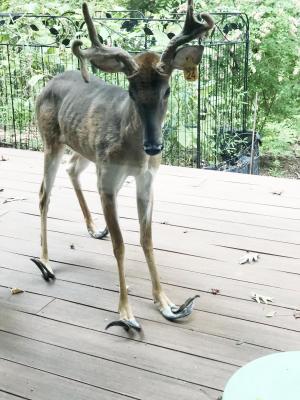
This deer suffers from “foundering hooves,” caused by a diet of corn and other carbohydrate-rich foods instead of natural browse. 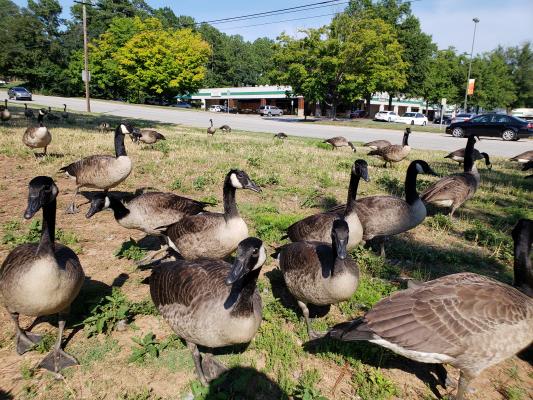
It causes overpopulation and stress. In many wild species, population growth is directly tied to food access – when more food is available, more young are born, and the number of animals increases over time. Extra food can lead to more animals than the area can support.
- Heavy browsing from a high deer population can cause long-term damage to nearby natural areas, as well as costly damage to landscaping.
- Large animal numbers increase the chance of disease outbreaks.
- Stress from competing over food can lead to fights, injuries, and death.
- High animal densities lead to more collisions with vehicles, which puts wildlife and people at risk.
Leaving out food harms people
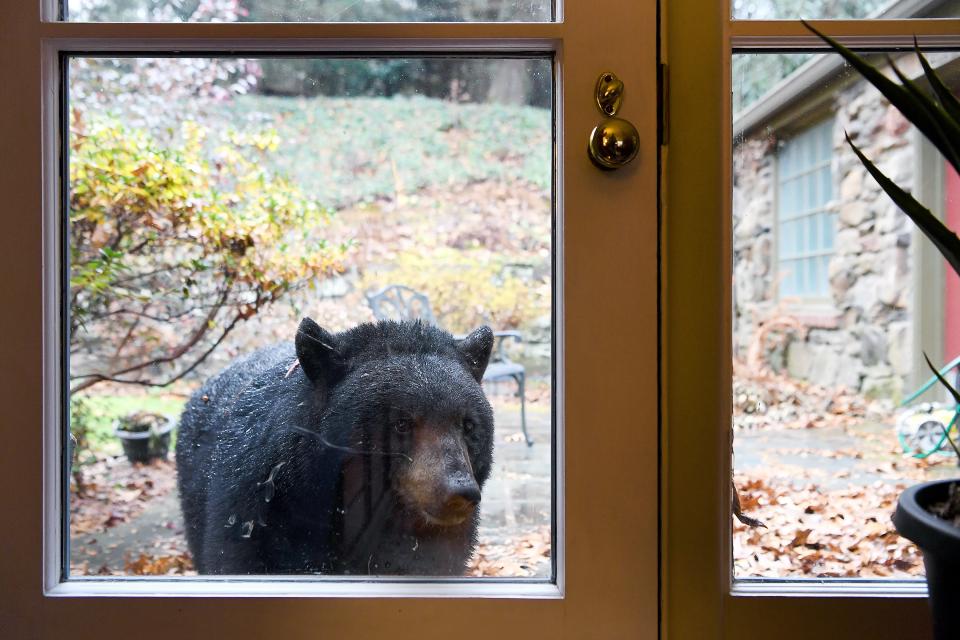
- It leads to conflicts and lack of appreciation for wildlife. You may enjoy seeing wildlife in your yard, but your neighbors may not. Unwanted encounters with wildlife can be viewed as a nuisance or threat. In North Carolina, many “nuisance” animals are euthanized for causing damage or posing a threat, often as a result of access to pet food, bird feeders, or garbage nearby. Unnatural foods can also attract animals that you may not want around your home, such as mice, rats, and the predators that hunt them such as coyotes, foxes, snakes, and hawks.
- It puts people, pets, and property at risk. When wild animals learn to associate homes, businesses, or people with food, they can become bold, searching for more food in similar places nearby. Bears and raccoons can damage property as they try to gain access to buildings, storage containers, or vehicles. Raccoons, foxes, and skunks hanging around a food source can put people and pets at risk of exposure to rabies and other harmful diseases. Deer, bears, coyotes, raccoons, and alligators can become more aggressive toward people and pets when they are fed by humans.
- Lost opportunity for natural encounters. Watching wild animals at a feeder is not the same as seeing their natural behavior. Foraging activities like hunting insects, finding seeds, or seeking berries provides mental and physical stimulation for wildlife and are arguably more interesting for us to observe. When we leave food outside for wildlife, we deny ourselves the opportunity to enjoy these animals on their own terms or witness their natural behaviors. Wild animals are skilled at finding natural foods all around them, often in places you would never expect. If you learn to watch, they may astound you with their ability to feed themselves - no human intervention required.
Better ways to help and enjoy wildlife
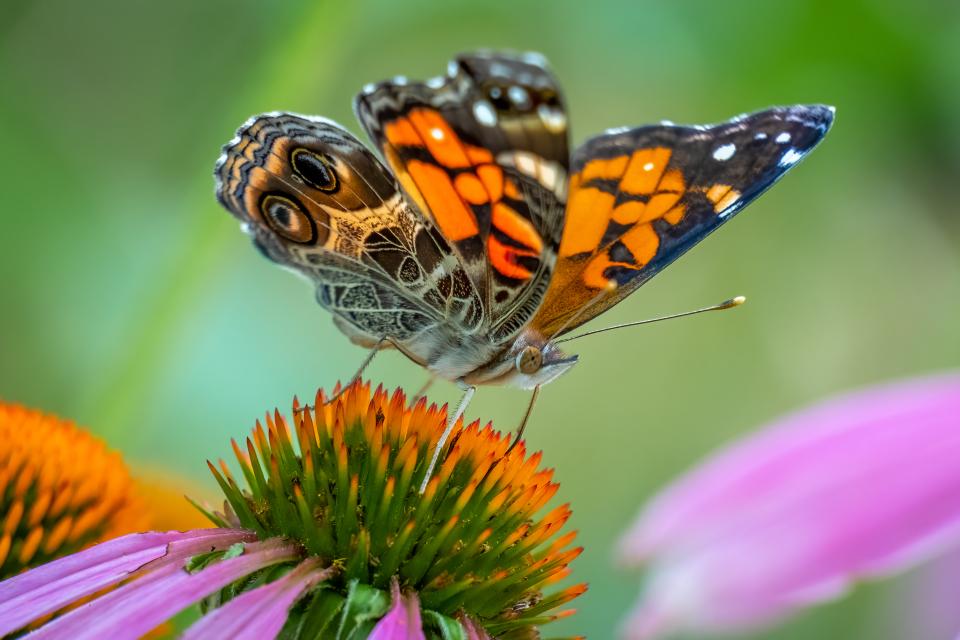
- Plant native flowers, shrubs, and trees. Native plants provide the foods wild animals need to stay healthy. They are nature’s food factories, producing seeds, fruits, nuts, and leaves. They support insects, which in turn feed baby birds. Native plants offer shelter for raising young, hiding from predators, and escaping harsh weather. Some helpful tips:
- Plant a variety of native species to support more wildlife species.
- Leave dried flower heads on your plants to provide seeds for birds through the winter.
- Leave fallen leaves on your property to support moths, butterflies, and fireflies.
- Learn about good plants for birds at NC Audubon’s Plants for Birds.
- Find native plant sources from the NC Native Plant Society and the NC Botanical Garden.
- Remove unnatural food sources. Let wildlife rely on natural foods, especially in spring and summer when these foods are abundant. In fall and winter, reduce and eliminate human-provided food so animals can adjust to a natural diet. Also:
- Feed pets indoors. Never leave pet food outside.
- Secure trash and livestock feed in animal-proof containers.
- Protect backyard chickens with a predator-proof coop and run.
- Install electric fencing to protect bee hives and livestock.
- Keep cats indoors. Outdoor cats kill billions of songbirds each year. Even well-fed cats will instinctually hunt prey. Keeping cats indoors protects both wildlife and the cats themselves. Outdoor cats live shorter, more stressful lives than their indoor counterparts. If you want your cat to enjoy the outdoors, consider a “catio.”
- Practice stillness in nature. Wild animals live all around us; it’s amazing what you can see if you sit still and observe. In the morning you may see birds flitting in the trees and bushes, or a gray fox trotting along on its morning hunt. On warm afternoons, count how many pollinators you can find on native wildflowers. At dusk, watch the skies for the fluttering wings of bats, and listen for the chitter of Chimney Swifts going home to roost. The world is alive with wildlife if you take the time to look and listen.
- Put up a trail or home security camera. Modern technology makes it easy to watch what wildlife do when people aren’t around. When watching trail or security camera footage, try to guess where wild animals are going and why. You might learn about a species you didn’t even know was in your area! If you’re unable to spend time outdoors, many organizations such as the NC Wildlife Federation host live webcams where you can watch wildlife from the comfort of your home.
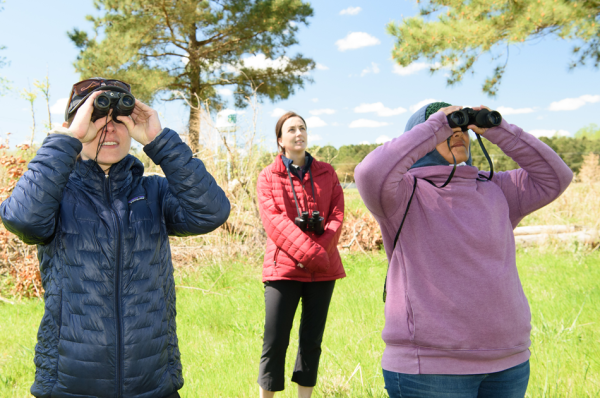
Join a wildlife or birding group. Groups like the NC Wildlife Federation and NC Audubon Society can help you learn about wildlife, native plants, and how to create habitat at home. Local chapters can connect you with wildlife enthusiasts and professionals in your area.
- Support wildlife-friendly policies. Encourage your community to promote native landscaping and discourage wildlife feeding.
- Share what you learn with others. Teaching friends, family, and neighbors to support wildlife responsibly helps reduce wildlife conflicts and promotes coexistence.