
Spring-Summer 2026 Furbearer Management Newsletter
This newsletter is mailed to all Wildlife Resources Commission customers with a lifetime trapping license or who purchased a trapping license for the 2025-26 regulated trapping season. Inside you will find updates on trapping harvest levels, trapper education courses, and other furbearer resources.
Spring/Summer 2026 NC Furbearer Management Newsletter
Monitoring Furbearer Populations
For the Commission to monitor the annual furbearer harvest, we have created a confidential voluntary trapper harvest mail survey. Using harvest surveys, coupled with reports from licensed fur dealers, the Commission can monitor trends in trapper harvest and effort, which often mirror trends in the furbearer population. This helps us make informed management decisions and answer questions about furbearer populations across North Carolina.
Please take the time to fill out the survey as accurately as possible and return it promptly. Your response is important even if you did not trap this season!
New this year - we need your input about nest predation management on the 2026 Trapper Survey
There has been interest in increasing trapping opportunities to reduce potential nest predation pressure on game birds (i.e., wild turkey, quail). The additional survey questions will help us better understand trappers’ priorities and opinions so that we can provide more informed conversations, recommendations, and outreach to land managers on this topic.
Even if you did not trap this year, please review and respond to this year’s additional survey questions on predation management trapping.
Landowner Assistance List
Don’t forget that the trapper harvest survey also provides you with the opportunity to sign up to be on the landowner assistance list, which connects landowners with trappers during the regulated trapping season.
We inform the public that they are contracting for services and should expect to be charged by the trapper.
As a reminder, licensed trappers are allowed to be compensated for trapping during the trapping season! Outside of the trapping season for that species, a WCA license is needed to be compensated for trapping.
2025-26 Furbearer Cooperator Program
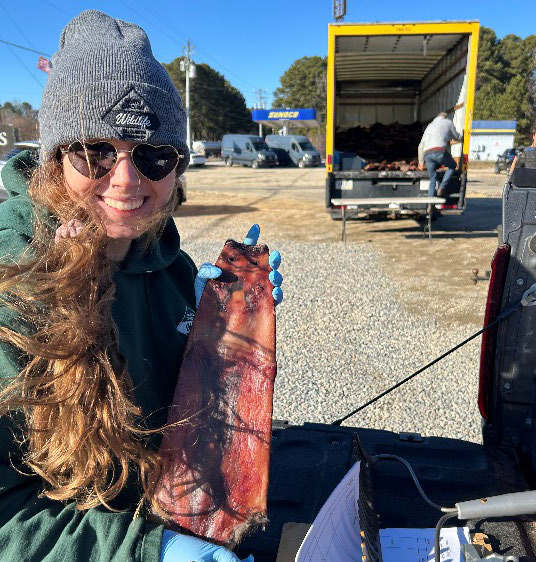
The NC Wildlife Resources Commission collects a variety of furbearer samples and carcasses annually, which allows us to monitor populations, screen for pathogens, and better understand furbearer species throughout the state. See below for details on this year’s collection priorities, and instructions on how to participate by submitting samples.
Participants will receive a Furbearer Cooperator patch. We appreciate your support and commitment to continuing sustainable, regulated trapping in North Carolina!
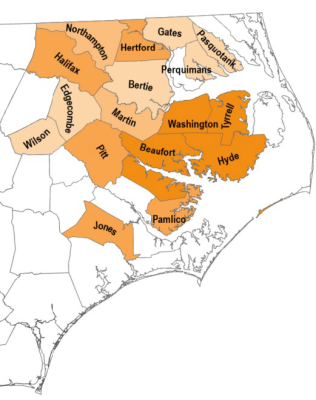
Coastal Coyote Samples
Samples will be used to study canid interactions and genetic structure in Eastern NC. Hair samples can be collected from live or dead coyotes (trapped, hunted, roadkill, etc) any time of year, and are still needed from the following counties: Beaufort, Bertie, Edgecombe, Gates, Halifax, Hertford, Hyde, Jones, Martin, Northampton, Pamlico, Pasquotank, Perquimans, Pitt, Tyrrell, Washington, Wilson.
How to Submit Coyote Samples:
- Using gloves or tweezers, PULL (DON’T CUT) approximately 20 hairs with follicles
- Place hair inside an envelope - one envelope per individual animal.
- Write on the envelope:
a. Your name
b. Date of harvest
c. Location of harvest (latitude/longitude, or nearest crossroads) - Place sample envelope inside a separate mailing envelope and send it to Dr. Heather Evans, 11 W. Jones St., Raleigh, NC 27601
Entire Carcasses (skinned or not): Armadillo, Foxes, Bobcat, Skunks, Weasels, Mink, Otter, Muskrat, Nutria
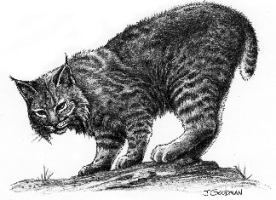
Carcasses are used for a variety of wildlife health studies, which typically involve taking organ samples to screen for pathogens. Pelts and other parts (e.g. scent glands, skulls, feet, etc.) may be removed if the trapper wishes to keep these before submitting. This season we are prioritizing the above-listed species.
How to Submit Carcasses:
- Bag and preserve carcass(es) in freezer.
- Store each carcass with the species, location, and date of harvest recorded on a waterproof tag or paper inside a ziploc bag.
- Contact Caitlin Brett at 919-609-3392 or caitlin.brett@ncwildlife.gov to coordinate a pick-up.
Bobcat and Otter Jaws
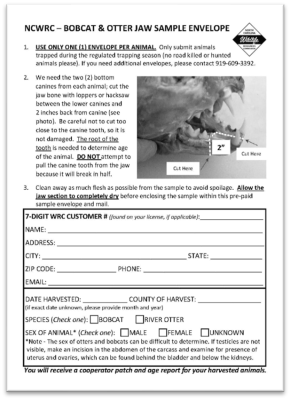
Samples must come from trapper-harvested bobcats and otters. The lower canine teeth will be extracted and used to assess the age structure of the harvest for each species. In addition to the Furbearer Cooperator patch, participants will receive the age report for their harvested animal(s).
How to Submit Jawbones:
- Request your pre-paid envelopes (one per animal) to be mailed to you by contacting Caitlin Brett at caitlin.brett@ncwildlife.gov or
919-609-3392. - Cut and completely dry the portion of the lower jaw containing the canine tooth and its root. To ensure you include the root, cut the
jawbone at least 2” away from the canine. - Follow instructions on pre-paid envelope to ship - please mail by April 30th, 2026.
For more information on the Furbearer Cooperator Program, visit: ncwildlife.gov/furcooperator
Resident Lifetime Trapping License
Effective Jan. 1, 2020, North Carolina residents can purchase a Lifetime Trapping License. The cost is $357 and all proceeds from the sale of this license will go to the Wildlife Endowment Fund. As of January 15th, 2026, 681 lifetime trapping licenses have been sold.
Did you lose your lifetime trapper decal? Contact 888-248-6834 or licenses@ncwildlife.gov to learn how to get a replacement.
Fox-Coyote Transport Permit: Reminder to Submit Report!
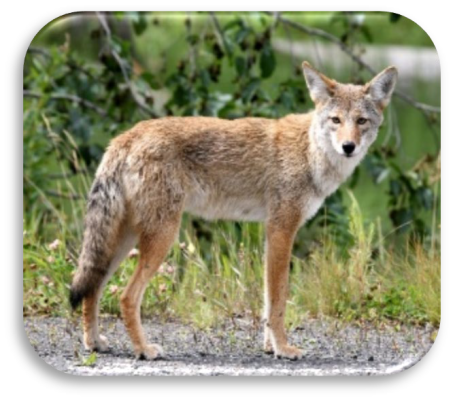
As a reminder, a transportation permit is required prior to taking possession of live foxes and coyotes for sale to licensed fox preserves. This permit is free and the application is available through Go Outdoors North Carolina. Permits are also available in-person at the Commission’s booth at the NC Trapper’s Convention, held on the last Friday and Saturday of September at the Johnson County Livestock Auction Arena.
Holders of the fox-coyote transport permit are required to provide accurate written records on a report form available from the Commission for each fox or coyote sold or transferred to licensed fox preserve. The report shall be submitted to and received by the Commission annually by May 1st.
The Wildlife Control Agent (WCA) Program
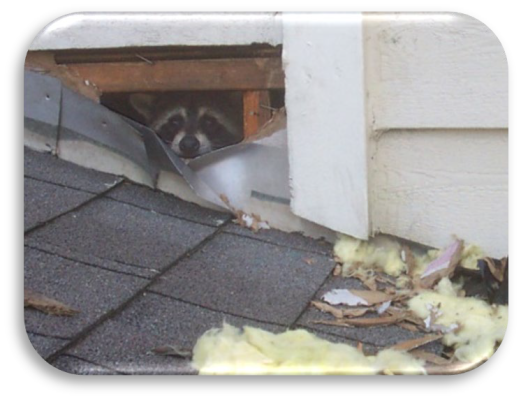
The WCA program allows trained and licensed individuals to issue wildlife depredation permits to landowners that experience property damage caused by wildlife. Depredation permits are needed to trap and lethally control wildlife outside the regulated trapping season.
WCA Eligibility and Requirements:
To engage in wildlife damage control or removal for compensation, including eviction or exclusion, an annual WCA license is required ($50). Licensed trappers are excluded from the WCA license requirements when taking wild animals during the applicable open trapping season for that species. To qualify for a WCA license, individuals must complete a 2-day training course, pass an exam with a score of 80%, and have no misdemeanor convictions as specified in G.S. 113-294 or G.S. 14, Article 47.
WCA License Renewal and Revocation:
WCA license renewal is done by completing at least one Commission-approved continuing education course within the previous year (ncwildlife.gov/wca for courses). If a license is not renewed for two consecutive calendar years, the individual will be ineligible for renewal and must repeat the requirements for licensure. WCA licenses may be revoked at any time
WCA Course Location and Dates
Trapper Education Opportunities
The NCWRC, in cooperation with the North Carolina Trappers Association (NCTA), offers free half-day Basic Trapper Education Courses. Courses are held throughout the year and taught by volunteer instructors. New courses are added as they are scheduled, with most occurring in late spring and throughout summer.
There is one course coming up on Saturday, April 11th, 2026 at the Wake County Wildlife Club, Durham, NC, 9:00 A.M. – 1:00 P.M. To sign up for this and other classes, go to ncwildlife.gov/trappered.
The NCTA also hosts advanced trapping workshops which can be found at: nctrapper.org/advanced-classes
Trapper Identification Number (TIN)
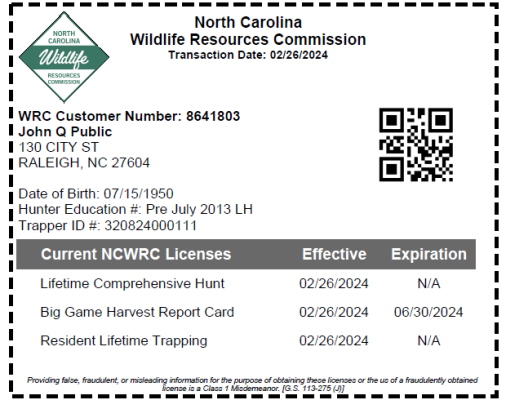
The Commission issues each trapper a Trapper Identification Number (TIN) at the time they purchase or renew their trapping license. This TIN is printed on your license card, below your date of birth.
Either the TIN or Wildlife Control Agent (WCA) license number and Commission telephone number (800-662-7137), or the trapper’s name and address can be used on trap tags. The license number issued to licensed WCAs is equivalent to a TIN and can be used on the trap tags:
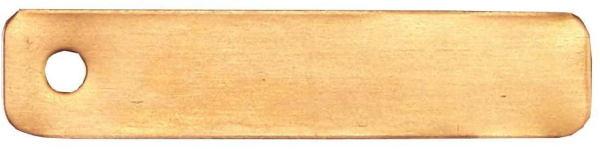
Option 1: Trapper’s name and address
Option 2: Trapper Identification Number (TIN) or
WCA license number, and WRC phone number
Rabies Statistics
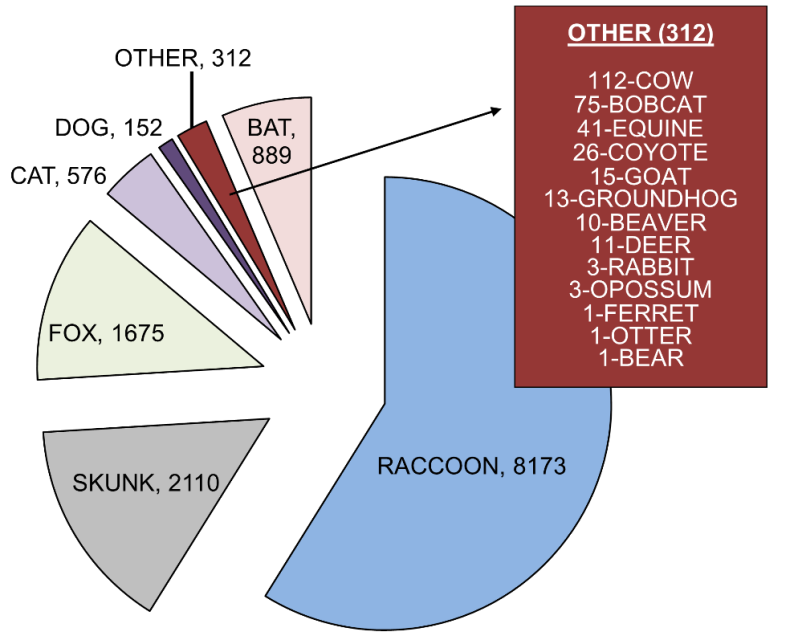
During 2025, positive rabies results were obtained from 89 raccoons, 61 skunks, 39 foxes, 1 coyote, 1 bobcat, and 1 groundhog. The total number of reported terrestrial wildlife rabies cases (n=192) was a 3% decline compared to the average number of cases detected during the previous 5-year period. Since 2005, the number of positive terrestrial rabies cases, which does not include bats, remains below levels seen in the mid-1990’s and mid-2000’s.
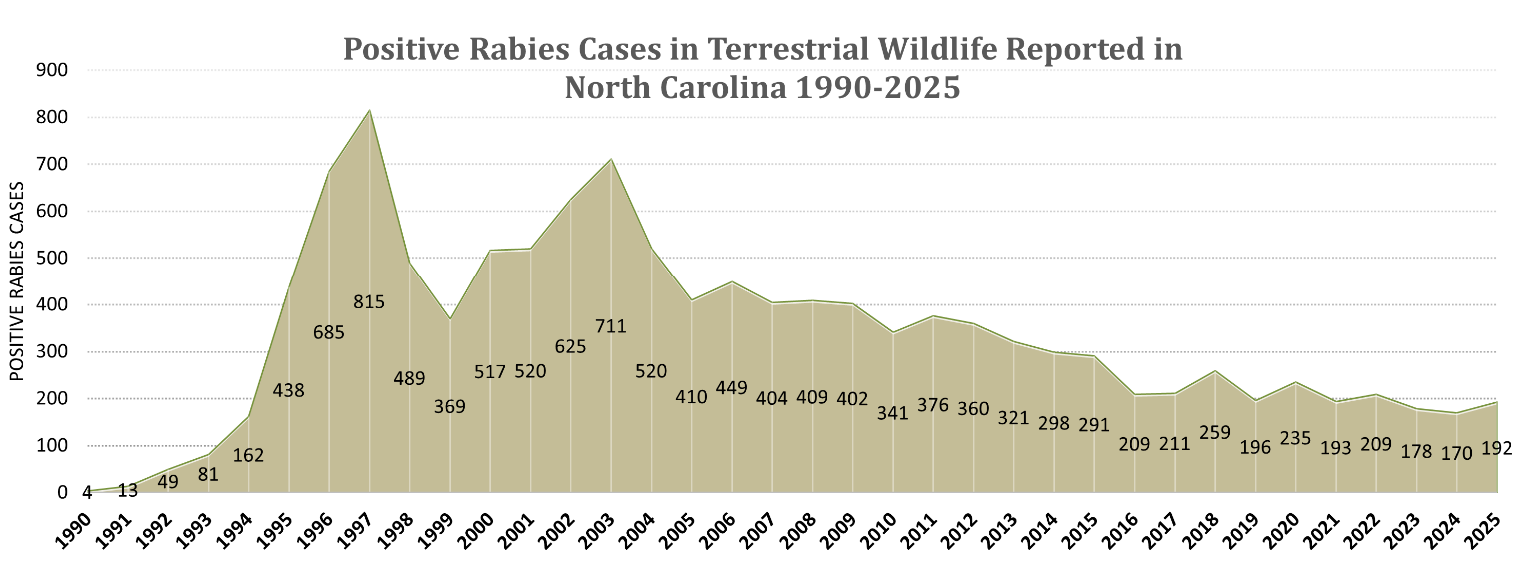
All but 2 North Carolina counties (Graham and Swain) have had positive rabies cases detected in terrestrial wildlife as of 2025. During 2025, 44 out of 100 counties documented a positive terrestrial wildlife rabies case.
Raccoons and skunks are the primary species of wildlife in which rabies is observed in North Carolina, followed by foxes and bats.
If you have questions about rabies, including possible exposures, you can always call the NC Department of Health and Human Services Public Health Veterinarian line: 919-733-3419.
Voluntary Trapper Harvest Survey Results
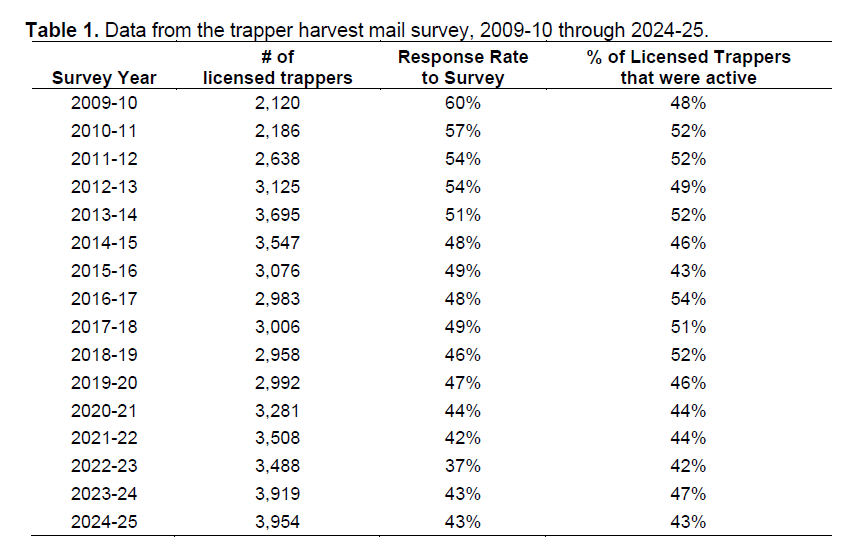
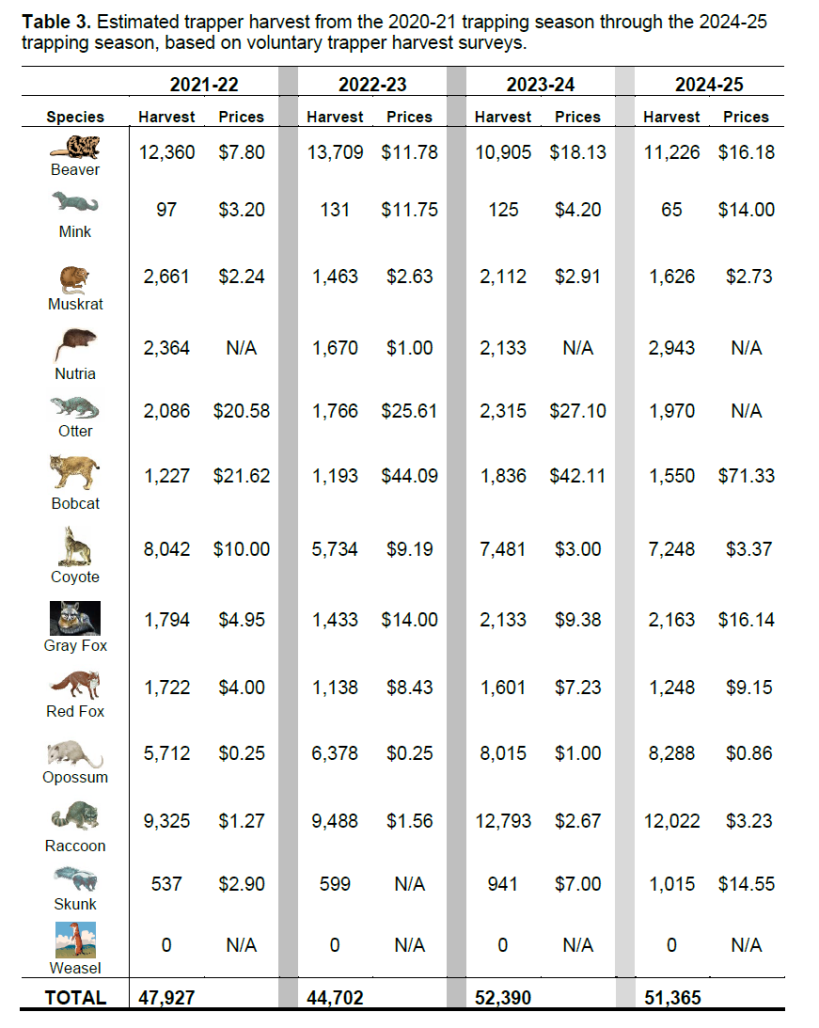
The response rate for the 2024-25 mail survey was 43%, which matched the survey response from the 2023-24 survey year. During the 2024-25 trapping season, 43% of licensed trappers actively trapped during the season, a 4% decrease from the previous year. The number of licensed trappers during the 2024-25 trapping season increased 1% from the previous trapping season.
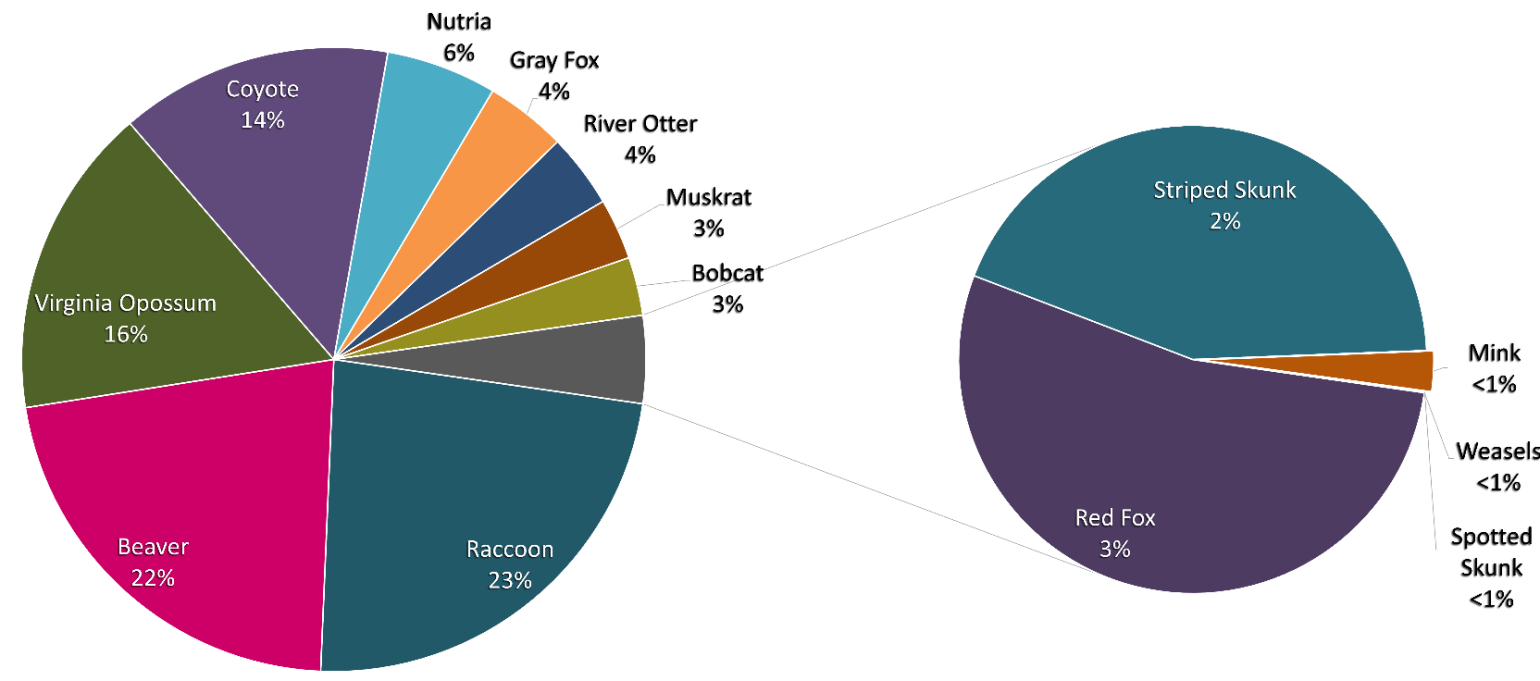
The 2024-25 total furbearer harvest decreased by 2% compared to the prior trapping season. Changes in per-species harvest were greatest for mink (48% decrease), nutria (38% increase), muskrat (23% decrease), and red fox (22% decrease). Similarly to previous seasons, the majority of the furbearer harvest was comprised of raccoon, beaver, opossum, and coyote.
During the 2024-25 season, 60% of furbearers were harvested in the Coastal Plain Furbearer Management Unit (FMU), followed by the Piedmont and Mountain FMUs.
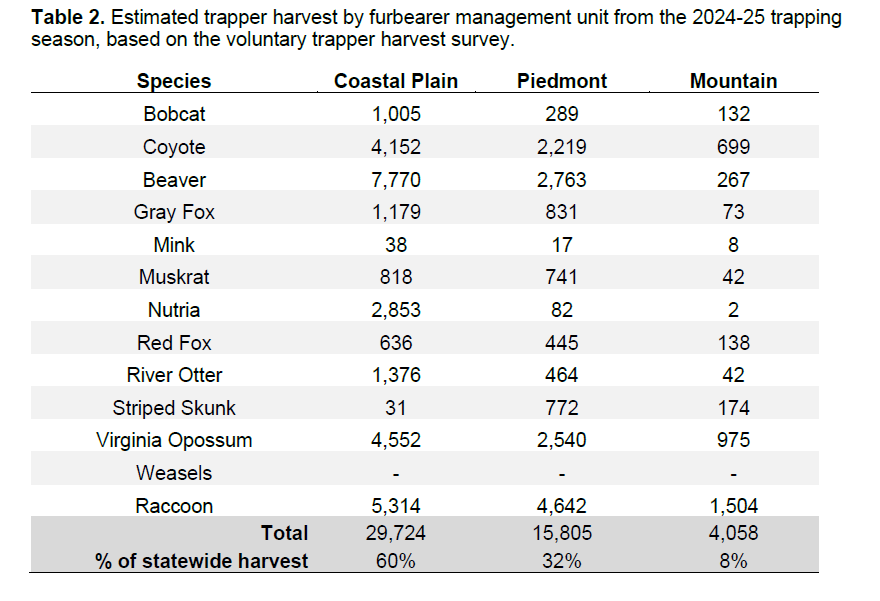
Beavers comprised the majority of the harvest in the Coastal Plain FMU, followed by raccoons, opossums, and coyotes. This year, raccoons comprised most of the harvest in the Piedmont and Mountain FMUs. Pelt prices increased notably for striped skunk, bobcat, gray fox, and mink, while beaver, muskrat, and opossum saw slight decreases compared to last year’s numbers.
NC Deer Hunter Observation Survey
The NCWRC conducts an annual volunteer Deer Hunter Observation Survey (DHOS), where hunters are asked to record their daily observations of deer and other wildlife while still-hunting (hunting from a stationary position) for deer. The primary objective of the DHOS was to provide long-term indices of wildlife occurrences across North Carolina. With 11 years of data, we now have trends for several wildlife species, including raccoons, coyotes, bobcats, and foxes.
If you are a deer hunter and would like to participate in DHOS, please email: ryan.myers@ncwildlife.gov
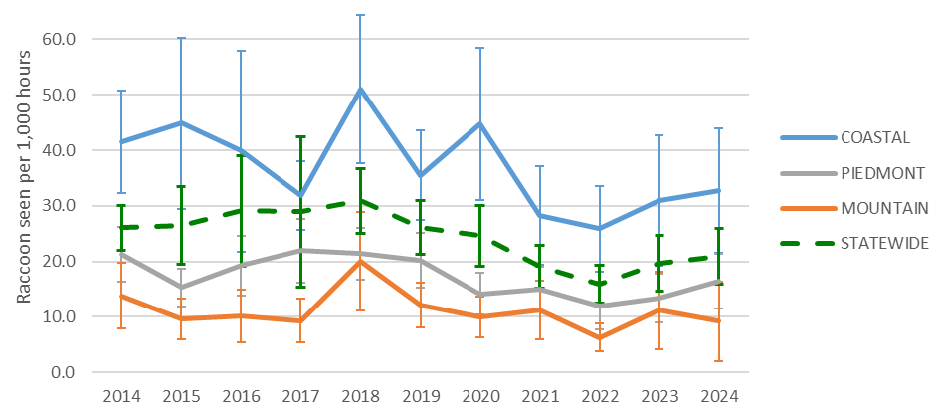
Figure 4. Annual raccoon observation rates by furbearer management unit with 95% confidence intervals, North Carolina Deer Hunter Observation Survey, 2014-2024.
Of the furbearer species recorded in the DHOS, raccoons are observed at the highest rate (20.1 raccoons per 1,000 hours statewide; Figure 4), but have still shown slight declines in observation rates over the past 11 years (-3.2% annually; p<0.01).
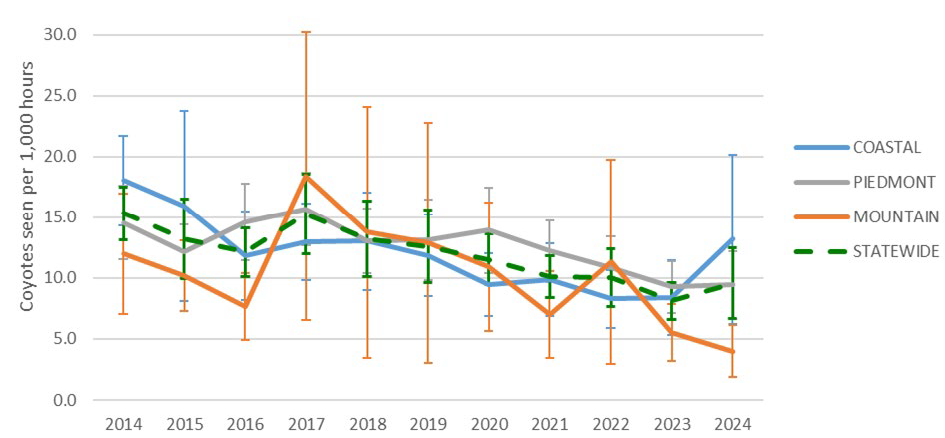
Figure 5. Annual coyote observation rates by furbearer management unit with 95% confidence intervals.
There is evidence that observation rates for coyotes have decreased across the Coastal, Piedmont, and Mountain management units over the past 11 years (Figure 5). Spatial results match that of other indices the NCWRC uses to track coyote population distributions which indicate that populations are fully distributed across the state.
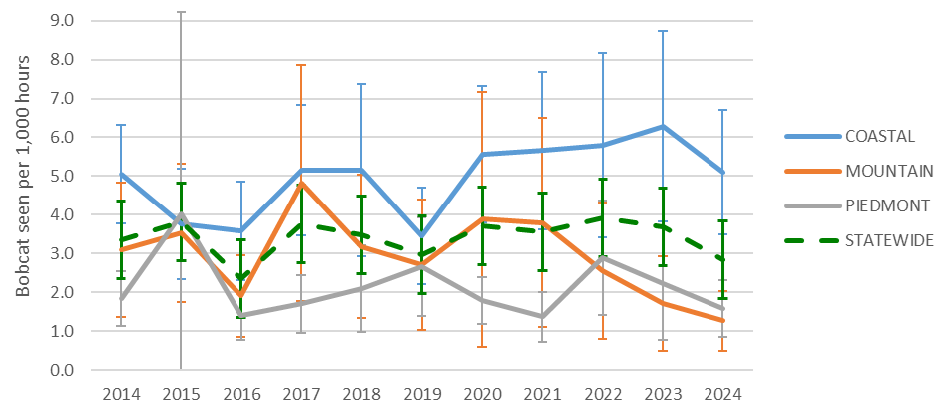
Figure 6. Annual bobcat observation rates by furbearer management unit with 95% confidence intervals, North Carolina Deer Hunter Observation Survey, 2014-2022.
Bobcat numbers may have varied over the past 11 years, but there is no evidence that statewide bobcat observation rates have significantly increased or decreased over that period (Figure 6). Regional annual estimates were relatively imprecise generally due to the scarcity of observations, ranging from 2.0 - 5.7 bobcats per 1,000 hours.
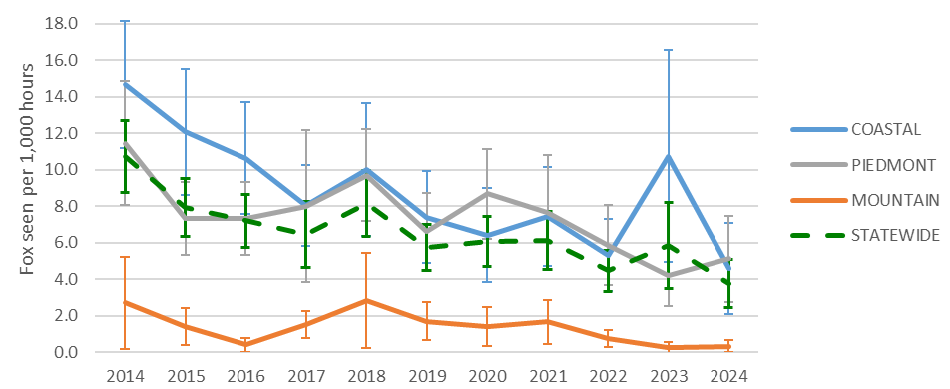
Figure 7. Annual gray fox observation rates by furbearer management unit with 95% confidence intervals, North Carolina Deer Hunter Observation Survey, 2014-2022.
During the past 11 years, there was significant evidence that gray fox observation rates have declined statewide (Figure 7). Observations were relatively rare compared to other game and furbearer species (5.3 fox per 1,000 hours). Observation rates of gray foxes were significantly lower in the Mountain FMU than the Coastal and Piedmont regions (-5.7 gray foxes per 1,000 hours).
Your Furbearer Team
We are here to serve the wildlife resource and you! Please don’t hesitate to contact us with questions, comments, or to participate in our furbearer cooperator programs.
As a reminder, in spring 2025, all WRC email addresses were changed from “@ncwildlife.org” to “@ncwildlife.gov” – please update your records accordingly, as the old “.org” addresses will soon stop working.
Mark Your Calendars!
Remember to mark your calendars for the annual North Carolina Trappers Association (NCTA) Convention, held on the last Friday and Saturday every September:
September 25-26, 2026
Johnson County Livestock Arena
520 County Home Road
Smithfield, NC 27577
For more information on this and other events, such as the springtime Mountain Rendezvous Fur Sale, visit the NCTA website.